
April 14: Maritime shocks and ichthyology milestones
April 14: maritime shocks and ichthyology milestones
RMS Titanic — iceberg strike, April 14, 1912
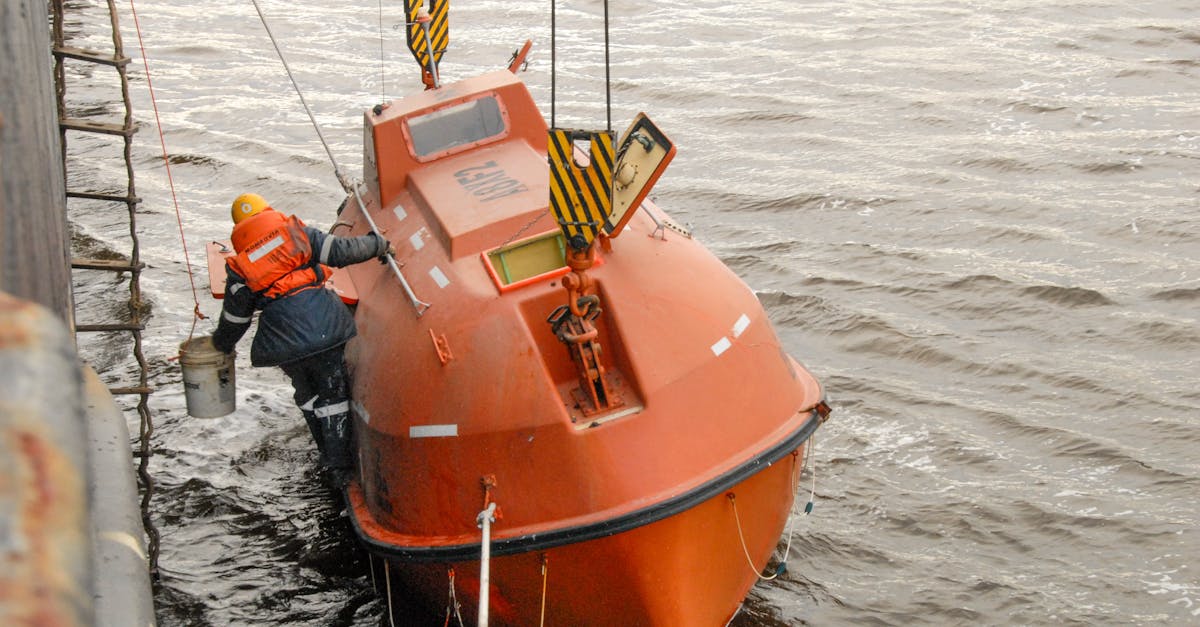
Shortly before midnight on April 14, 1912, the White Star liner RMS Titanic struck an iceberg in the North Atlantic, about 400 miles south of Newfoundland. The collision and the ship’s subsequent loss in the early hours of April 15 exposed critical weaknesses in lifeboat provision, shipboard communications and search procedures. The disaster prompted international moves to improve safety at sea: the 1914 SOLAS framework introduced requirements such as sufficient lifeboats and continuous radio watches — measures that would later be applied to commercial and fishing vessels.
Edward Drinker Cope — ichthyologist remembered (d. April 12, 1897)
Two days earlier in the calendar, on April 12, 1897, Philadelphia lost Edward Drinker Cope, a prolific American paleontologist and ichthyologist. Cope described numerous fossil and modern fish taxa and left a legacy of taxonomic work that helped shape 19th‑century fish science. His collections and papers continued to inform comparative anatomy and the study of freshwater and marine species.
Modern tie-in for UK anglers
Both episodes underline practical priorities for boaters and anglers in the United Kingdom: maintain and wear approved lifejackets, carry a working VHF radio or other distress beacon, file a float plan and train crew in basic sea survival. History’s lessons remain directly relevant to safety and stewardship of the seas.
Recommended: handheld marine radio