
April 17: Maritime echoes in fishing history
April 17: Maritime echoes in fishing and marine lore
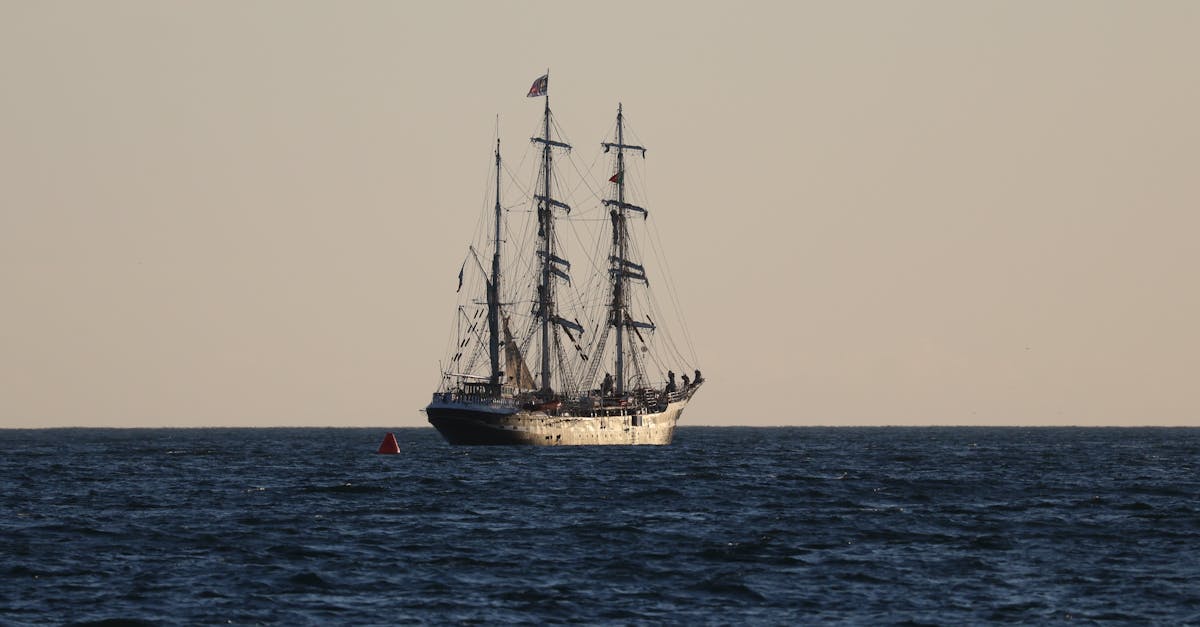
Titanic and the North Atlantic, April 1912
On 15 April 1912 the RMS Titanic struck an iceberg and sank in the North Atlantic off Newfoundland, an event that claimed around 1,500 lives. Beyond its human tragedy, the loss reshaped approaches to maritime safety and later spurred technological advances in deep-sea survey. The discovery of the wreck in 1985 by Dr. Robert Ballard accelerated use of remotely operated vehicles, side-scan sonar and photographic survey methods now applied to fisheries research and seabed habitat mapping around UK coasts.
Loch Ness and the 1934 photograph
In April 1934 a photograph attributed to surgeon R. K. Wilson was published on 21 April and ignited global fascination with Loch Ness, Inverness-shire. Though later exposed as a hoax, the episode focused attention on freshwater research in the loch: repeated fish surveys, plankton monitoring and evaluations of tourist pressure on fragile habitats. The publicity encouraged long-term scientific recording that informs current conservation of freshwater ecosystems.
Both stories offer practical lessons for modern UK anglers and outdoor users: carry a reliable fishing rod and wear waterproof waders, check tide and weather forecasts, observe protected-site rules, and report unusual catches or strandings to local fisheries officers so science can guide sustainable management.
Recommended: waterproof neoprene waders