April 19 — Deepwater Horizon and Earth Day echoes
April 19 — Deepwater Horizon and Earth Day echoes
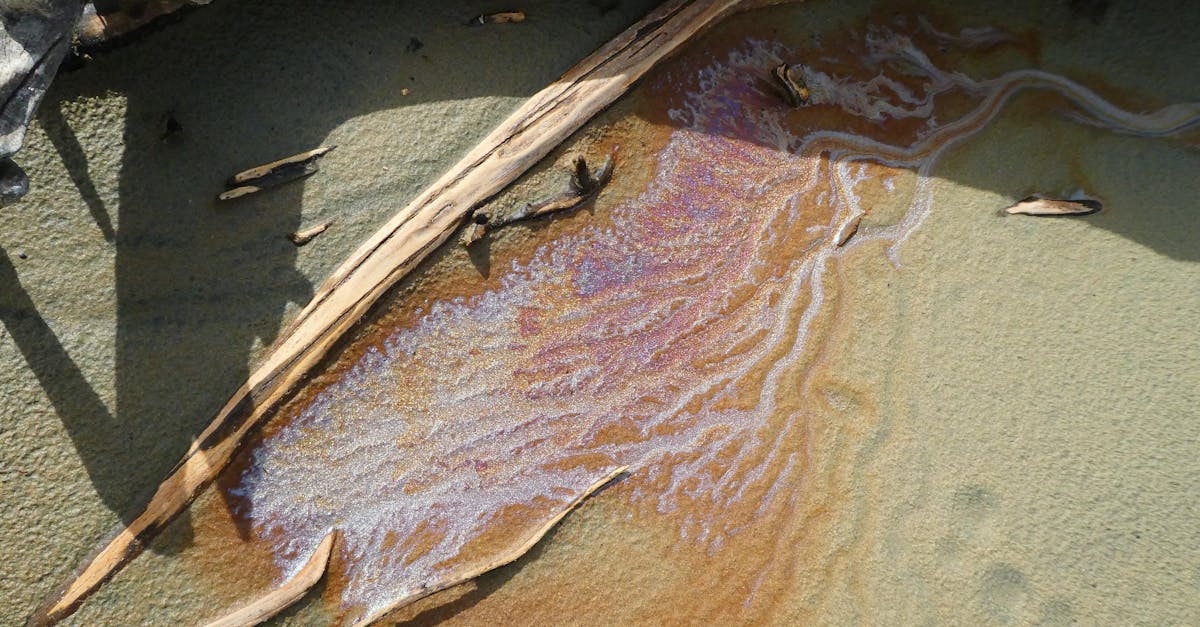
Deepwater Horizon, April 20, 2010
Deepwater Horizon blew on April 20, 2010. The uncontrolled Macondo well released about 4.9 million barrels of oil over 87 days into the Gulf of Mexico, fouling beaches, killing seabirds and turtles, and collapsing shrimp and oyster beds for months. Scientists tracked chronic impacts on marshes, juvenile fish and commercial stocks for years; oil residues lingered in sediments and food webs. The spill rewrote response playbooks: dispersant strategy, shoreline cleanup, closed-area fisheries management and long-term monitoring became routine tools in fisheries science and policy.
First Earth Day, April 22, 1970
Earth Day of April 1970 pushed pollution onto front pages and into community action across Britain. That public surge spawned organised beach cleans, volunteer monitoring and the rise of marine NGOs later in the decade. The Marine Conservation Society, formed in 1983, adopted citizen-science methods—beachwatching, plastic surveys and pollution reporting—that trace to those early campaigns. Anglers learned to keep nets and bait tidy, report kills and back stewardship with data.
Practical tie-in for UK anglers: check MMO and local byelaw closures before heading out, carry a small litter grabber and an oil-safe cloth, favour single-hook rigs and circle hooks to reduce bycatch, and report unusual mortalities to local authorities — those actions keep fisheries open and productive.
Recommended: strong circle hooks