
Three cues and quick leader tweaks for River Test browns
River Test, Stockbridge: six-inch silhouette at dusk
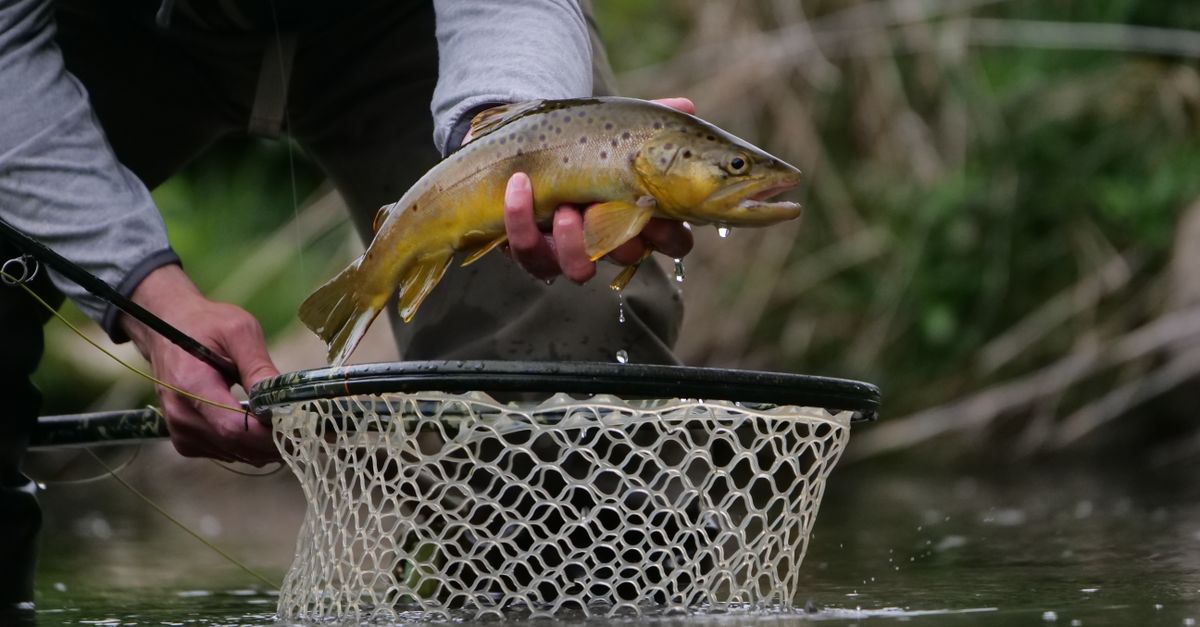
On the chalk of the Test the telling cue is small and precise: a pale mouth breaking the surface, a tail flick, or a flat shadow rolling over gravel. Cast angle matters — cast directly across or quartering down to keep the fly moving into the fish's view rather than past it. Present the pattern two to six inches under the surface or six inches off the bottom through knee‑deep flats and the strike zone opens.
Scan for white mouths opening and closing, for bottom shadows and for fish feeding at the edge of wooded banks. Start with short casts; fish are often at the angler's feet. Work upstream in parallel lanes, twitch the fly subtly as it enters view, then pause to let a suspicious trout commit.
Quick leader tweaks
Use a short, stout leader on spooky chalk‑stream trout: two feet of 20lb tippet tied with a blood knot into three feet of 15lb tippet for surface mice and foam patterns to boost abrasion resistance. For deeper squirrel‑style presentations switch to a five to six feet mono leader with high‑vis backing to hold the fly six inches above the gravel strike zone. Taper subtly; a stiff butt gives turn over, a fine tip reduces splash.
Tackle and cadence finish the job: a 6wt fly rod, 7wt or 8wt for bigger beasts, trout spey or switch on wider water, and a floating fly line for most night work. Retrieve with slow 12–24 inch pulls and 1–2 second pauses, or swing a streamer with a harder pull to imitate a wounded prey. Wait for weight before setting, drop the rod tip to dead‑drift stunned prey, then strip set; a hooked Test brown fights hard, tailing under low light like a pale coin in the last flush of daylight.