
Three cues for River Test dusk rises
Stockbridge seam on the River Test — the soft edge where brown trout prime for dusk
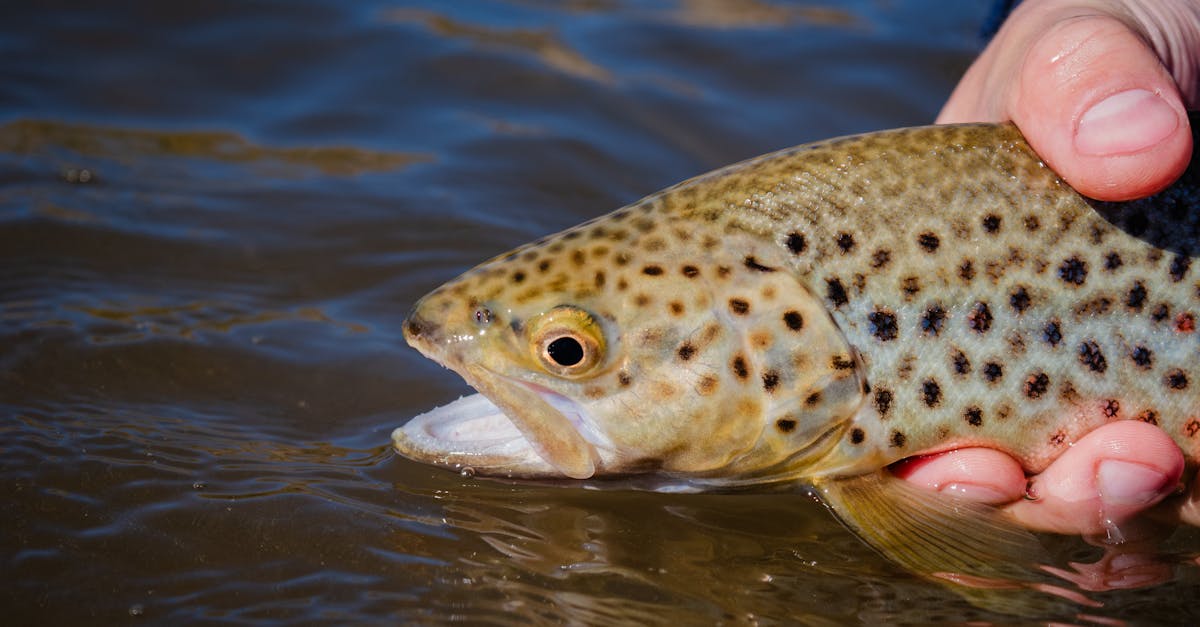
On the Test around Stockbridge, Longparish and Houghton, seams betray feeding lies; the faster glide meets the slow slack and brown trout hold in the soft side to intercept food. Cast slightly upstream and across so a dry fly lands ahead of the seam. Let it drift along the soft edge; avoid drag by mending immediately. When a rise marks the seam, land the fly 1–2 metres upstream so it reaches the fish’s window naturally.
Dusk insect pulses switch trout to the surface. Olive duns, sedges and midges trigger short, concentrated feeding spells. Target glides below trees, weedbeds and back eddies where naturals collect. Work upstream from the last rise with small dries: size 16–18 olives, size 14–16 sedges or tiny midge patterns for faint sipping fish. Presentation beats brute weight; thin tippets and a subtle laydown are essential.
Hyporheic foam lines and presentation
Foam lines on chalk are food conveyors. They map subtle currents that gather emergers, dead insects and terrestrials. Cast across and allow a floating line to ride the foam while the pattern sits slightly off the seam; trout will reach into the lane. Use soft leaders, neat knots and a drag-free drift; a light strike and quick controlled lift seal more takes than a hard haul. Typical tackle for a Test dusk session: 3wt rod, long tapered leader and small, sparse dries.
Reads end with a single clear scene: a trout lifts in soft water beneath a foam streak, inhales a size 18 dry and the ripple outlines the seam.
Recommended: lightweight 3wt rod