
Three cues for River Test gravel runs
River Test, Hampshire — Lockerley gravel runs at first light
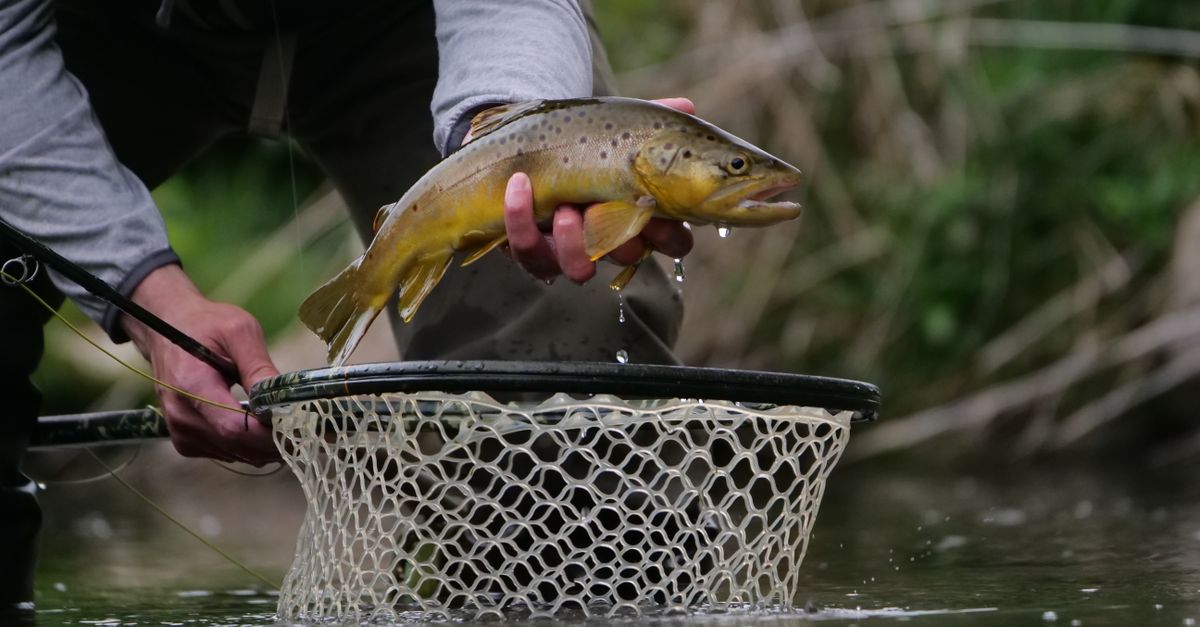
River Test brown trout stack along oxygenated seams where gravel changes shape. Bubbles and foam lines mark the fast, well‑oxygenated lanes; these are where drifting insects collect and feeding is concentrated. Overhangs and root balls create ambush pockets; cast the fly tight to the bank’s shadow line and let it pause.
Water signs and reading the run
Look for subtle tail kicks in clear water and seams off gravel bars. Eddy lines behind a gravel ridge concentrate food and hide fish. A short, upstream glance across flats will reveal fish shadows before they spook; approach with low profile and a quiet leader.
Terrestrial fly selection matters in low light: beetles, ants and beetle‑style attractors beat tiny nymphs along the bank at dawn. In deeper pockets and undercut banks, larger streamers imitate whitebait and switch a wary trout into an attacking mode—keep patterns natural and sparse.
Two micro‑tackle tweaks convert short dawn windows: first, subtle twitching—one or two delicate twitches when the fly sits in a trout’s view mimics distress and triggers aggressive takes. Second, use bow‑and‑roll or roll casts to present without slapping the surface; a quiet delivery keeps wary trout feeding. Shorten the leader slightly and favour softer tippet for better turnover and stealth.
Early light on the Test brings a single decisive half‑hour when fish move; the line sings, a flash of bronze under an alder, and gravel spits as a trout takes the fly.
Recommended: 9ft trout fly rod