
Three dusk beats on the River Frome
Below Maiden Newton mill, seams hold wild brown trout of 1–3lb that take evening caddis with deadly intent.
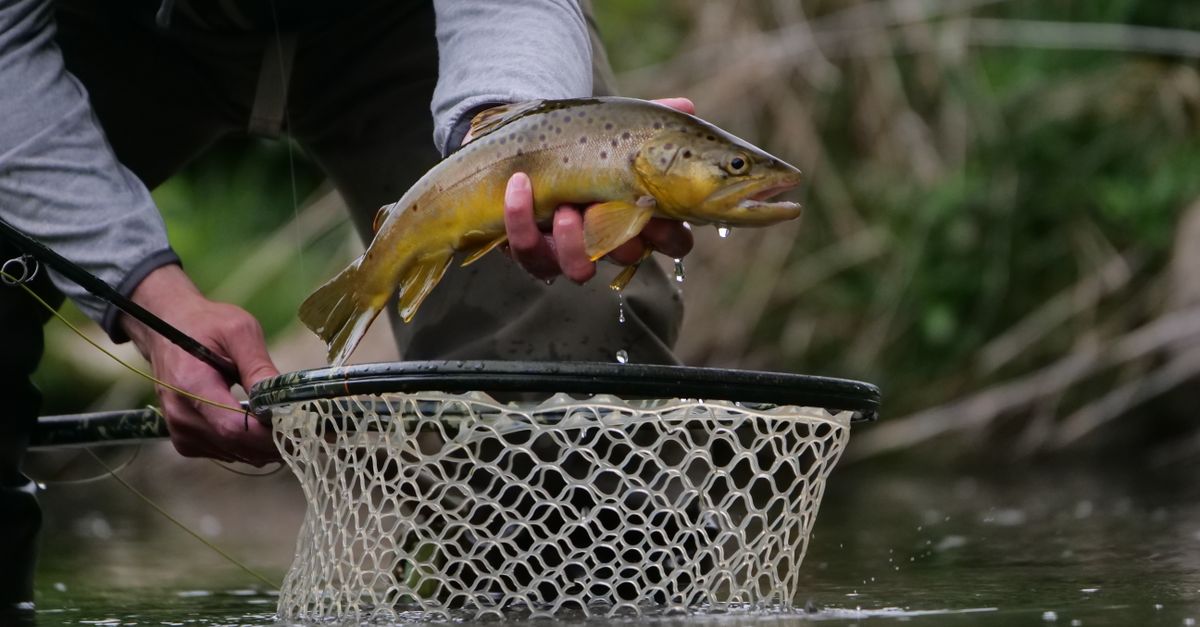
The River Frome in Dorset is a chalkstream that reads like a trout angler's handbook: clear water, gravel beds, ribboned ranunculus and shallow riffles rarely deeper than a foot. Anglers sight-fish here for browns that are mostly wild; fish in the 1–3lb bracket are common while 3lb-plus specimens surface with regularity.
Beat one, the seams below old mills, demands presentation. Short leaders, small dry patterns and a Klinkhamer fished like a buoyant emerger through seams in front of millstones coax cautious rises. Wading is essential—breach the bank quietly, work the seam downstream and watch for the sidelong look that gives a take away.
Willow‑lined tailwaters
Beat two lives in shadow: willow roots, back eddies and undercut banks. Trout patrol the darker margins at dusk; long-range sight casts and soft fly landings win here. Mid-summer prawn fly windows push fish into slacker water and demand stealth above speed.
Beat three is the evening caddis pulse. When caddis ticks off the reed beds, trout lift from hatchpools among islands and runnels of ranunculus. Dry fly and small sedge patterns catch more than steelwork; patience and reading the light matter as much as fly choice.
Sea trout and salmon appear only occasionally; this is a brown trout water first. A restless fish slams a caddis on dusk and the chalkstream throws a silver arc across the ranunculus.