
Three dusk seam‑reading tips for River Test trout
Stockbridge on the River Test: three seams to read at dusk
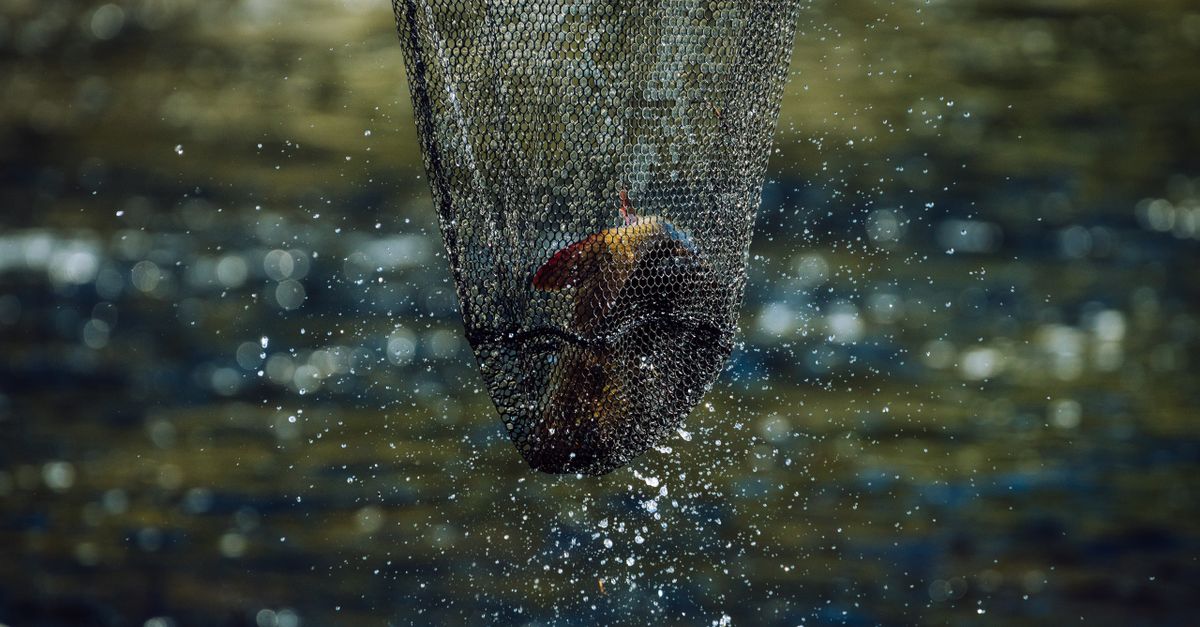
Stockbridge holds the classic chalkstream seam where fast water meets slow; the seam often shows as a thin line of foam, a clean crease or a trail of spent olives drifting downstream.
First tip — spot the feeding seam: stand back and scan upstream for a foam lane or a slight wrinkle. Cast into the seam so the fly enters before the line, not after; an upstream angle keeps drag off the fly and gives an honest dead drift.
Second tip — fish the foam line as a drift line: foam gathers natural food. Present a nymph or emerger to run along the edge rather than across the main flow. Start shallow in the top 30–60 cm; add a small split shot to fish lower if takes are absent.
Third tip — read the insect pulse at dusk
When dimples and short pulses of spent spinners appear, switch to a parachute dry, emerger, or spent‑style pattern in size 16–22 and shorten the leader so the fly lands softly in the lane. Begin with a dead drift; if fish follow, add 2–5 cm twitches every second or two then let the fly hang.
If the foam is broken or the current pushes hard, move to the inside edge, a glide tail or downstream of a weedbed where brown trout can hold without burning energy — then watch the seam and let the fish tell the story as dusk darkens the Test.
Recommended: brass split shot pack