
Three stealth cues for Itchen caddis windows
River Itchen below Winchester: caddis windows and late‑spring browns
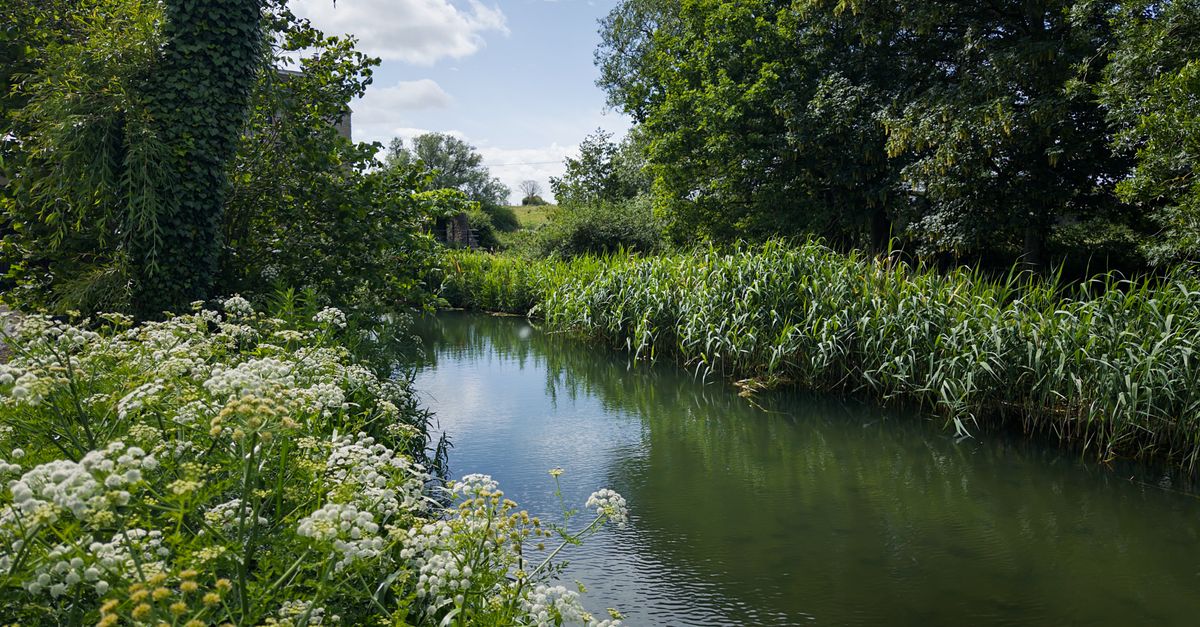
On the River Itchen, where chalk water runs glassy and cold, late‑spring caddis hatch creates narrow feeding 'windows' that last minutes. The first cue is insect location: watch seams, tailouts and glides where caddis are emerging or skittering; fish key those micro‑lanes and refuse elsewhere.
Presentation
Presentation cue: watch the water, not just the flies. A slight twitch on the dry, a short swing on the wet, or a dead drift that breaks at the tailout often beats a long, perfect drag‑free cast. Use a dry‑dropper with the top fly given small, deliberate twitches to imitate egg‑laying adults; a twitch invites follows more than a lifeless float.
Leader tweaks
Leader cue: go finer and shorter at the business end. Keep about 15–18 in between dry and emerger in a two‑fly rig, use long but delicate terminal tippet and upstream mends to control sink and speed. Shorten casts and reduce drag when fish are selective; let the swing finish in the lie.
When to switch flies
Switch‑pattern cue: match the hatch phase. When trout sip the film, fish a caddis emerger or pupa in sizes 14–18. When adults skitter or egg‑lay, float an Elk Hair Caddis in 14–16. If subsurface takes dominate, drop to dark wets or soft hackles like Partridge and Orange in 14–18 and swing the seam.
Late light on the Itchen often brings a sudden heat of takes; watch the seam, trim tippet, and let a wary brown rise to an emerger in the last pale glow.