
Three overlooked Stour evening beats
Throop Beat 1 (Bournemouth, SAT NAV BH8 0EG) — prime dusk sipping
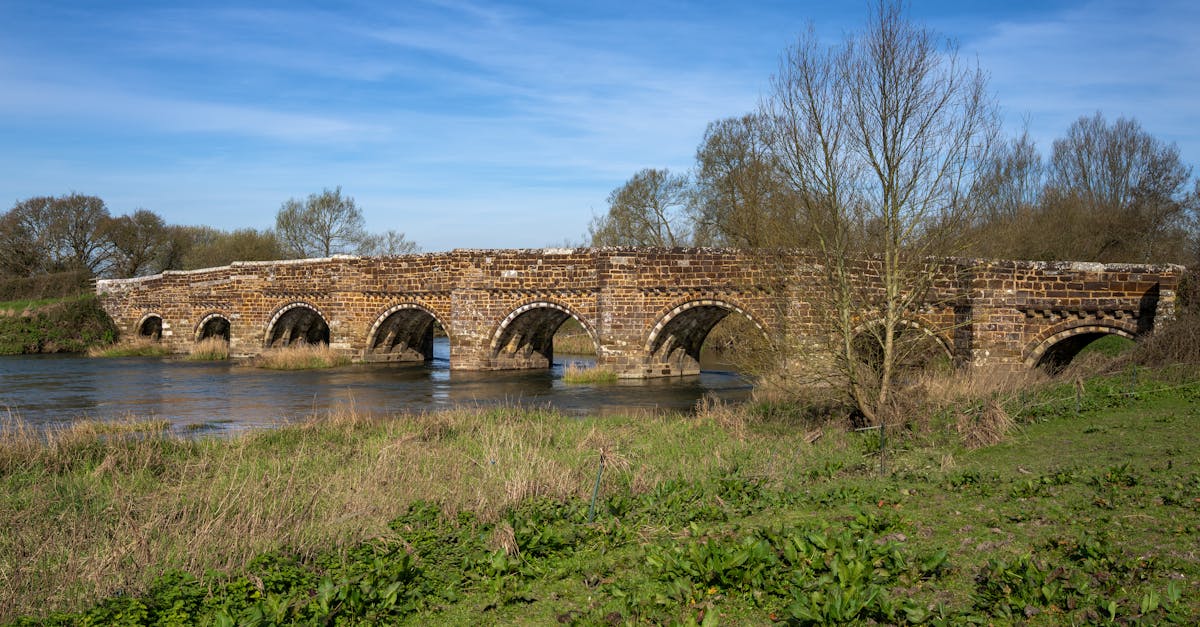
Throop Beat 1
Throop Beat 1 holds wild brown trout that move into 3ft seams to sip caddis emergers as dusk falls. Clear water, deep pools and ranunculus beds make for long sight lines. Fish sit tight on slower margins after a hatch; present dead-drift CdC-style emergers on 9ft #3-4wt rods with 7X tippet and mend for a natural drift. Wading shallow runs gives 20–30yd sight angles and bold rises in fading light.
Deans Court confluence (south of Wimborne)
Where the 13-mile River Allen joins the Stour, currents form fast glides and 5–6ft holding pools. Evening caddis cluster trout into 2–3ft emerger lanes beside weed. Polaroids reveal subsurface takes. Bank-fish the deeper edges or wade gently with 8–9ft #4wt setups, casting parachute-style emergers 15–25ft upstream; the confluence current concentrates both pupae and cruising trout.
Middle Stour beats (Casterbridge stretches)
Undervisited middle-river runs hold recovering brown trout stocks that patrol 10–20yd beats along bends. Dusk brings heavy caddis activity in 2–4ft seams. Use 9ft #4wt rods with 6X leaders for 40ft casts; pheasant-tail soft-hackles and emergers mimic pupae that fish key on. Best window runs mid-May to September, with 7–9 PM prime for steady hatches.
Practical notes
Expect 3–8lb Stour browns, sea trout runs can boost numbers. Match fly size to #16–20 caddis emergers. Lines of 200–400 grains turn over bushy duns. Weekend trips commonly yield multiple sight shots on 3–5lb fish when seams are read and drifts kept natural.
Recommended: ultra-fine tippet