
Timsbury 5 and the Test Beat Code
Timsbury 5 on the River Test
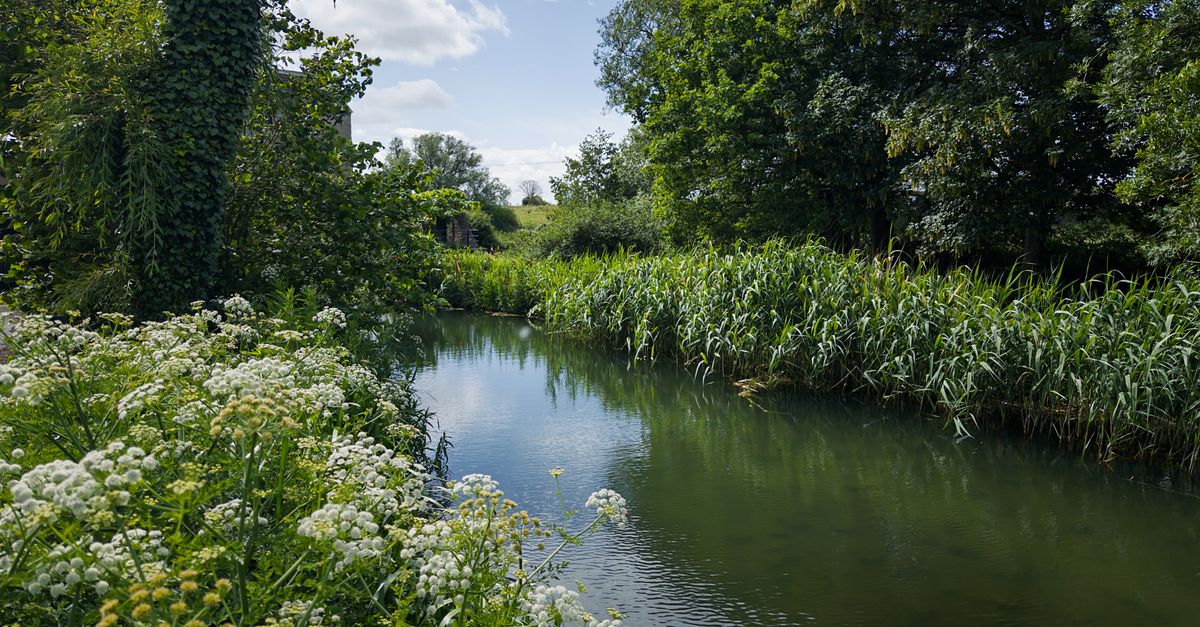
Timsbury 5 covers 440 yards of main river and a 370‑yard carrier, a unit of water that still defines how chalk‑stream trout are stalked today.
Victorian keepers first mapped beats, rotated anglers and enforced a quiet code that lives on along the Test and Itchen: dry‑fly emphasis, two‑rod common sense and an insistence on upstream presentation. Manor leases at places like Nursling Little River and shelters at Wherwell turned private water into enduring ritual.
Gear, flow and etiquette
The rivers demand 4–6 wt fly rods, long leaders of 12–14 ft and size 12–16 dry flies; the Test runs quick, often up to 1.5 m/s in mid‑stretch, and trout average 30–45 cm with larger fish known from Timsbury beats.
F.M. Halford’s Dry Fly Fisher’s Manual fixed the style: silence, cautious approach from the bank, cast upstream, let the fly drift. Beat rotations—set sections like the Timsbury 5 sequence—keep pressure even and evening stalks orderly. Wading is rare, reserved for marked sections between weirs and top boundaries.
The result is a living history: chalk‑stream etiquette that reads as much like folklore as technique, where a single dry fly, a long leader and a whispered step settle a trouty evening on the Test.
Recommended: 4–6wt graphite rods