
Blessed Salmon Stone on the Tweed
The Tweed's 'Blessed Salmon Stone'
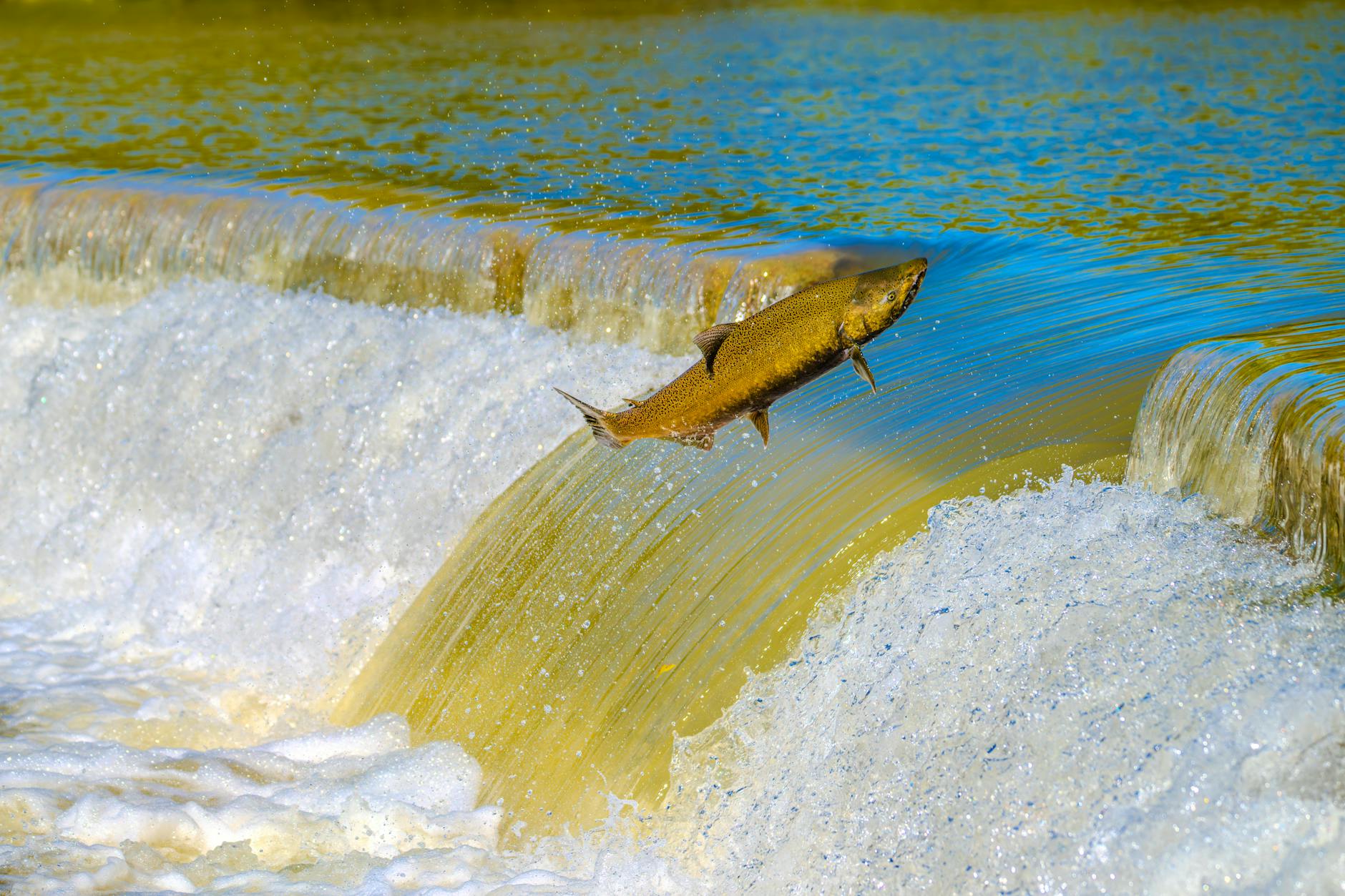
Borderland legend and angling diaries
On the banks of the River Tweed in the Scottish Borders, a weathered boulder known locally as the "Blessed Salmon Stone" exists at the intersection of angling lore and seasonal custom. Mentioned repeatedly in 19th-century Victorian angling diaries kept by river-keepers and visiting anglers, the stone was reputed to mark a reliable spring holding pool for Atlantic salmon (Salmo salar). Diary entries from the Tweed's Victorian salmon boom note rituals—stroking the stone, laying a fly beside it or dropping a coin—practices attributed to unusually successful catches that season.
From river lore to spring rites
Oral histories collected from Tweed Valley elders link the stone to modest spring rites: wreaths, knitted lures tucked into crevices and small offerings placed at flood-high marks. These behaviours echo wider British holy-well traditions rather than formal liturgy, shaping how communities at Peebles, Kelso and other border towns observe the annual salmon run. The stone's continued maintenance by local anglers and conservation volunteers during spring counts shows a living continuity: an object whose folklore informs practical attention to river habitats and the rhythms of salmon migration on the Tweed.