
Two-fly soft-hackle + dry for Test & Itchen
How to rig a two-fly soft-hackle + dry for Test & Itchen
Leader, tippet and knots
Start with a 9ft #4-weight fast-action fly rod spooled with weight-forward floating line (DT4F) and a mid-arbor reel holding 100yds. Use a 9–10ft tapered leader tied to a 4lb max breaking strain butt, stepping to 3lb in gin-clear water; finish with a 2lb point for 1–1.5lb brown trout. Tie the soft-hackle to the 2lb end with an improved clinch knot. Add a 12–18in dropper above the point using a surgeon's knot to form a clean loop for the dry.
Fly selection and placement
Fish a size 14–16 grannom soft-hackle on the point with a size 14 hawthorn fly or a large dark olive dry 12–18in above. Match the May grannom hatch on Hampshire chalk streams such as the Wherwell Priory beat on the River Test and the River Itchen by checking emergers on bridge webs—grannom hatches peak in early May.
Drift control and casts
Cast upstream 10–20ft into seams—the breaks between faster and slower water—aiming for a drag-free natural drift over rising fish. Kill drag with upstream mends and a high-stick mend to keep the leader upstream of the fly. In the Itchen's faster seams use off-shoulder roll casts to feed line without splash; pause retrieves to allow the soft-hackle to swing subsurface. Keep the rod tip low, retrieve slack as the fly drifts, and lift sharply on takes.
Practical notes
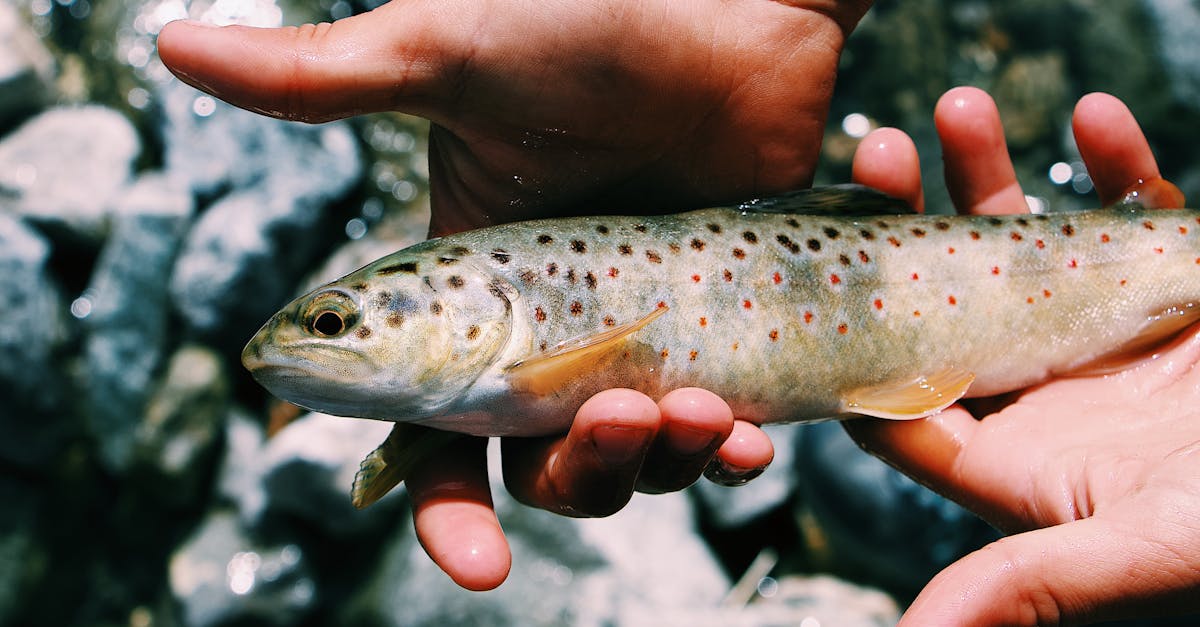
Begin with short-range casts and extend gradually to avoid spooking fish. Approach tree-lined gin-clear runs stealthily; expect splashy rises from 1–2lb brownies on early-May emergers.
Recommended: weight-forward fly line