
UK secures 2026 catch opportunities: practical takeaways for spring anglers
UK secures 2026 catch opportunities: practical takeaways for spring anglers
Overview
The UK has secured access to over 520,000 tonnes of catch for 2026 through agreements with the EU, Norway and other coastal states, including a major boost to bluefin tuna quota from 63t to 231t. Deals prioritise popular North Sea whitefish—cod, haddock, whiting, sole and plaice—while balancing stock recovery and coastal livelihoods.
Shore fishing: where to go and what to use
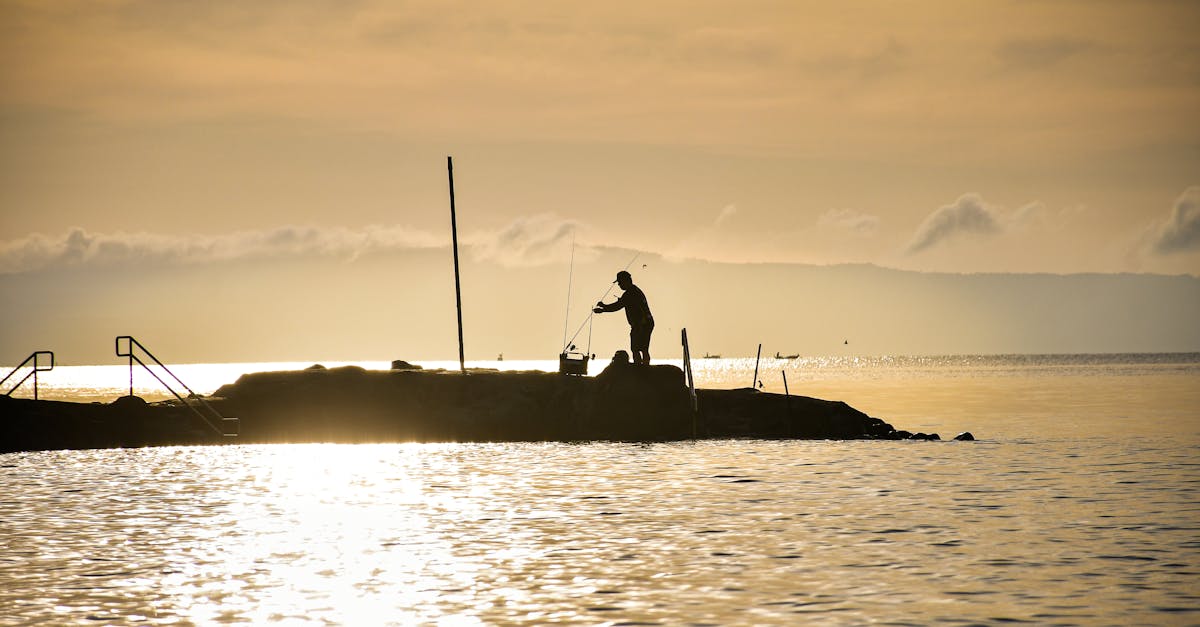
April–May is prime for sea bass and mackerel along the English Channel coast from Sussex to Plymouth. Use a medium spinning rod with 15–30lb leader, soft plastics or surface lures at dawn and dusk. For mackerel off Brighton and the Isle of Wight, light outfits and feathers or small jigs work at 5–20m depths; water temps typically range 8–12°C.
Boat and charter advice
Charter skippers operating from ports such as Scarborough, Whitby and Peterhead will see benefits from increased North Sea quota access. Target cod, haddock and whiting on grounds at 40–120m with ledger rigs, 8–16oz weights and fresh bait. Expect sea temperatures of 6–10°C in the northern North Sea in spring.
Freshwater and coastal rivers
Rivers like the Test, Hampshire Avon and the Thames offer trout and early salmon opportunities as river temperatures rise to 8–12°C. Use dry flies and light 4–6wt rods on chalk streams; tailwater pools and runs hold fish in low flows.
Practical takeaways
Charters should fit stronger winches and sea-safe deck cleats as boats may fish farther offshore. Shore anglers benefit from sturdy boots, a spinning rod and up-to-date tide tables. Sustainable practice—respecting quotas, using circle hooks and reporting catches—remains essential to help stocks recover while keeping trips productive.
Recommended: marine electric winch