
Upper Wye Chalk‑Stream Stealth Tips
Rectory Fishery, six miles upstream of Hay‑on‑Wye, demands quiet feet and long leaders
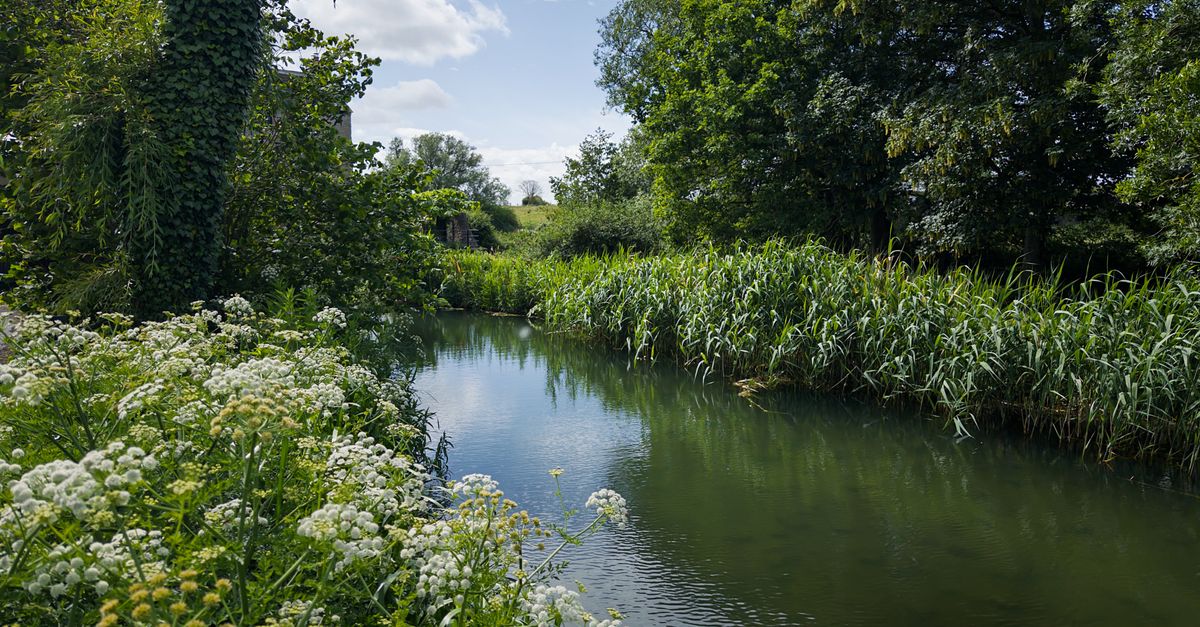
The Upper Wye above Hay‑on‑Wye is bedrock, shale and gravel; trout flats, pocket water and short runs hold wild brown trout and grayling, with sea trout visiting in summer.
Footwear matters: choose lightweight, snug fitting grippy boots with either felt or sticky rubber soles. Move without stamping. Short heel‑to‑toe steps and low, bent knees keep the silhouette small on the skyline.
Soft‑step and approach
Approach seams on stable rock shelves and pause. Crouch early rather than at the last second. On spooky fish avoid abrupt arm or rod movement; shoulder‑level casts and slow lateral advances win more takes.
Line management is minimalist. False casts only when unavoidable. Carry line in controlled coils or a small chest pouch and feed just enough running line to reach the seam. Excess line on the water equals disturbance.
Presentation wins: fish gravel tongue breaks, seam edges and pocket water first. On dries eliminate drag; on nymph rigs induce takes deliberately with slight twitches.
Gear notes: a 9–10 ft rod in #4 is ideal for bank clearance and line control. Use a long leader—around 12 ft to 4X or 5X—then add 3 ft plus of 5X/6X/7X tippet to match fly size. Match 5X to size 12–16, 6X to 16–20 and 7X to 22–26.
Local beats like The Rectory Fishery and tributaries such as the Edw and Llynfi repay a soft, silent approach. A dry fly hovering over a gravel tongue, watched by a wary trout, freezes the bank in a single heartbeat.
Recommended: waterproof chest pouch