
Three Quiet Approaches for Usk Sewin at Dusk
River Usk at Caerleon holds sewin in tight seams as dusk falls
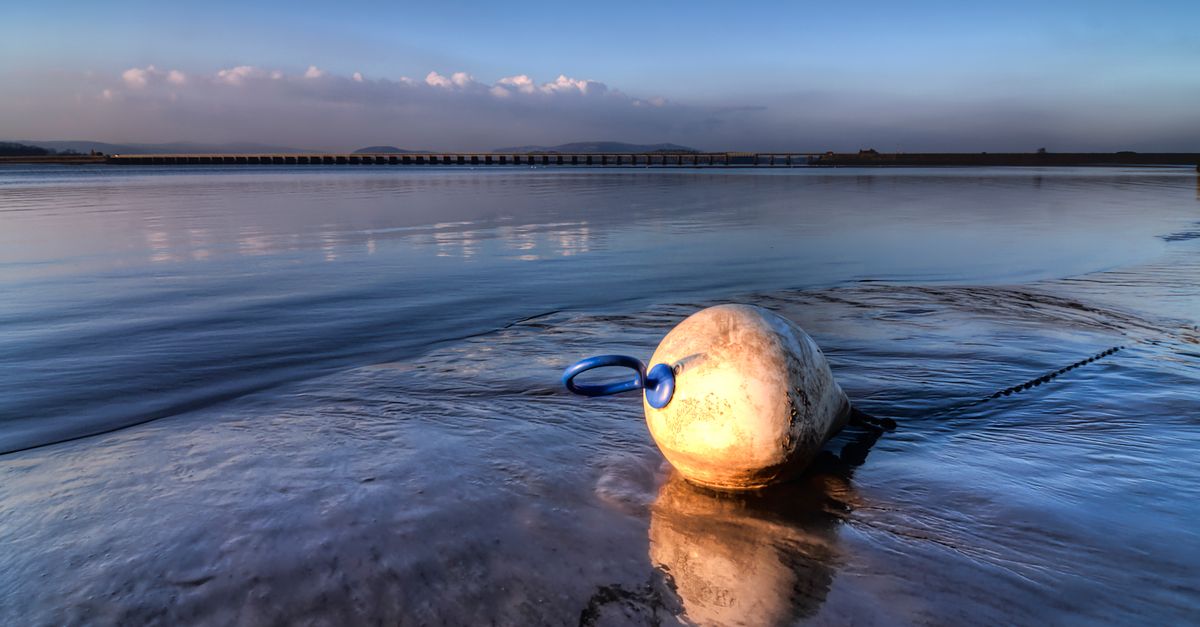
River Usk tidal reaches concentrate sea trout in the crease where fast water meets slack: seams, necks of pools and the inside edges below riffles. Approach with polarised glasses and a plan; careful, slow wading is mandatory on the slippery gravel and weed.
First approach: polaroid observation. Scan low banks and tide pushes from the bank before committing. Polarised glasses reveal fish holding just off the fast lane; map your route, pick low-impact entries and note deeper edges where a sink‑tip will reach the feeding depth.
Second approach: short casts into seams
Use a 9–10 ft single‑hand rod, a sink-tip or intermediate line and short, controlled casts across and slightly downstream so the fly swings through the dangle. Keep contact through the full drift; sea trout on the Usk often grab on the swing or as the fly pauses in the seam.
Third approach: subtle shallow‑water flies. Fish small singles or light tube flies very slowly with a slack, deliberate figure‑of‑eight retrieve; swap to a Waddington pattern when speed or sink control is needed. Use short leaders, 7–10 lb fluorocarbon tippets and neat knots for direct feel.
Everything is about presentation: slow, precise presentations win where fly pattern alone won’t. On cool moving evenings, when water hovers in the 11–16°C band, seams will produce—fish stacked off the fast water, eyes up as the tide eases over gravel lips at dusk.
Recommended: sink-tip fly line