
Victorian Dorset roots of the 'Toby' lure
Victorian Dorset roots of the 'Toby' lure
Pottery, promenades and improvised bait
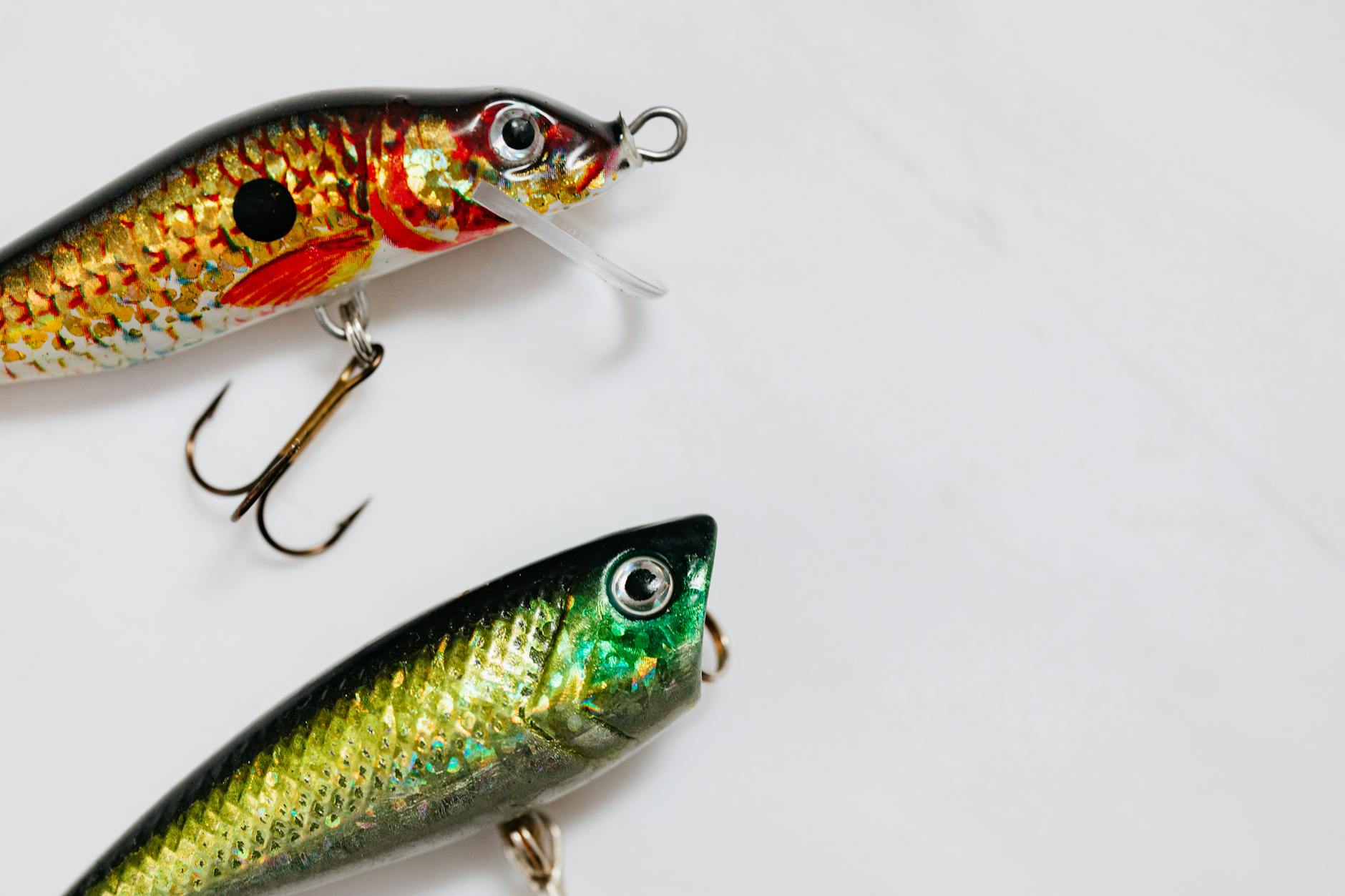
Local histories from Dorset villages such as Lyme Regis, Swanage and Poole record a curious Victorian pastime that helps explain the name and silhouette of the ‘Toby’ lure. As seaside tourism grew in the 19th century, potteries—most notably the later-established Poole Pottery tradition—produced small earthenware novelties, including Toby jugs and chunky slipware. Coastal anglers short of metal tackle repurposed fragments of pottery and clay weights as crude bobbing baits and sinkers; their rounded, stout form proved resilient in rocky surf and tidal runs off Portland Bill and Poole Bay.
From clay to wobble: why modern bass anglers return to the design
Angling chroniclers and museum collections show the rounded profile survived in lures that mimic the slow, erratic wobble created when a heavy, compact head rides tidal seams. Contemporary south-coast spring bass anglers chasing Dicentrarchus labrax on drifting sessions across Chesil Beach and the Solent value the same qualities: a bulky head gives an unstable, rolling action through sandeel-rich currents, triggering aggressive follows. The story links Victorian coastal craft, regional pottery habits and a practical lure geometry that still performs for specimen sea bass today.