
Victorian Mills and Chalk‑Stream Trout
Stockbridge mill channels and the birth of dry‑fly precision
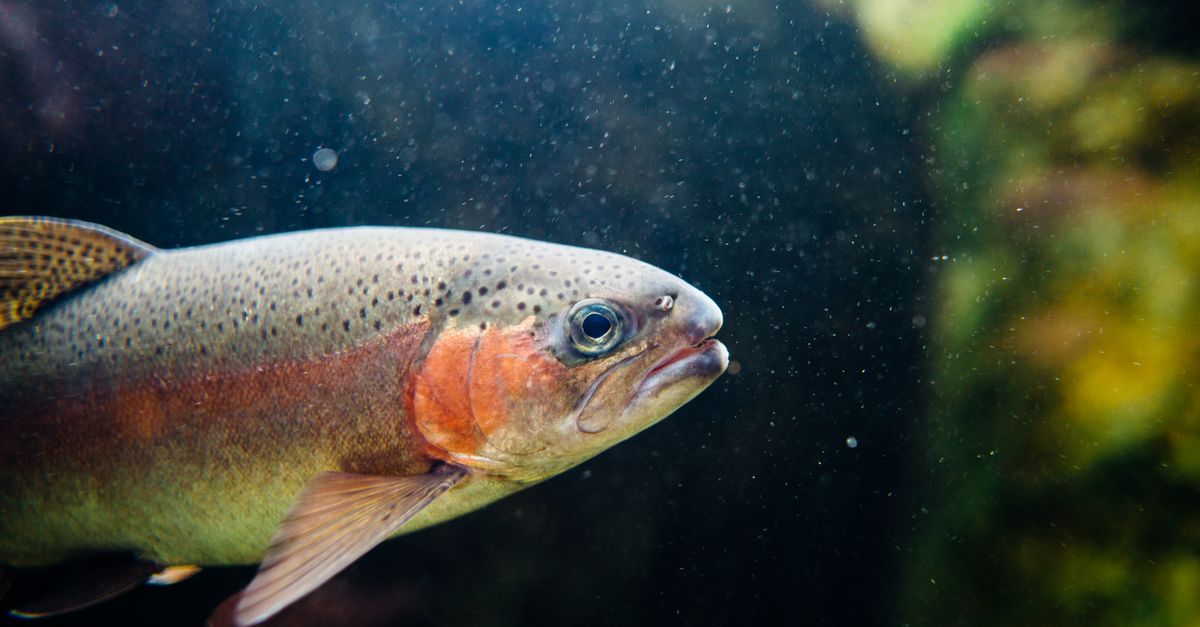
The long, gliding mill runs around Stockbridge and Mottisfont on the River Test forced a revolution in presentation. Nineteenth‑century hatches, sluices and water meadows narrowed the river into managed beats where brown trout (Salmo trutta) could inspect a fly in a heartbeat.
On the Itchen, through Alresford, Winchester and Itchen Stoke, the same industrial shaping left pale gravel lanes and weed‑lined margins. Spring‑fed flows stay cold and clear; a trout rising in 30–60 cm will refuse a bad drift in a 1–1.5 m run at once. That scrutiny bred the dry‑fly doctrine: fish upstream, land the fly delicately, eliminate drag.
Gear, insects and the watercress link
Traditional setups reflect those demands: a 9-foot rod for #4–#5 line, XX–6X tippet and flies in size 14–20. Blue‑winged Olives, Iron Blues and Grannom caddis dominate the menu, so hatch matching beats search patterns. Watercress beds and channel weed concentrate food and create feeding lanes where trout often lie in only 45–90 cm of water.
The legacy of mills and market gardens is tactical: tiny imitations, subtle drift control and a patient upstream approach. On a cool Test evening, an olive lands dead‑soft, a trout slips from behind a ribbon of weed and the rod tip bends — a scene written by steam, stone and slow water.
Recommended: Fly tippet spool