
Victorian Test Trout Supply
River Test keepers, Billingsgate and the live trout run
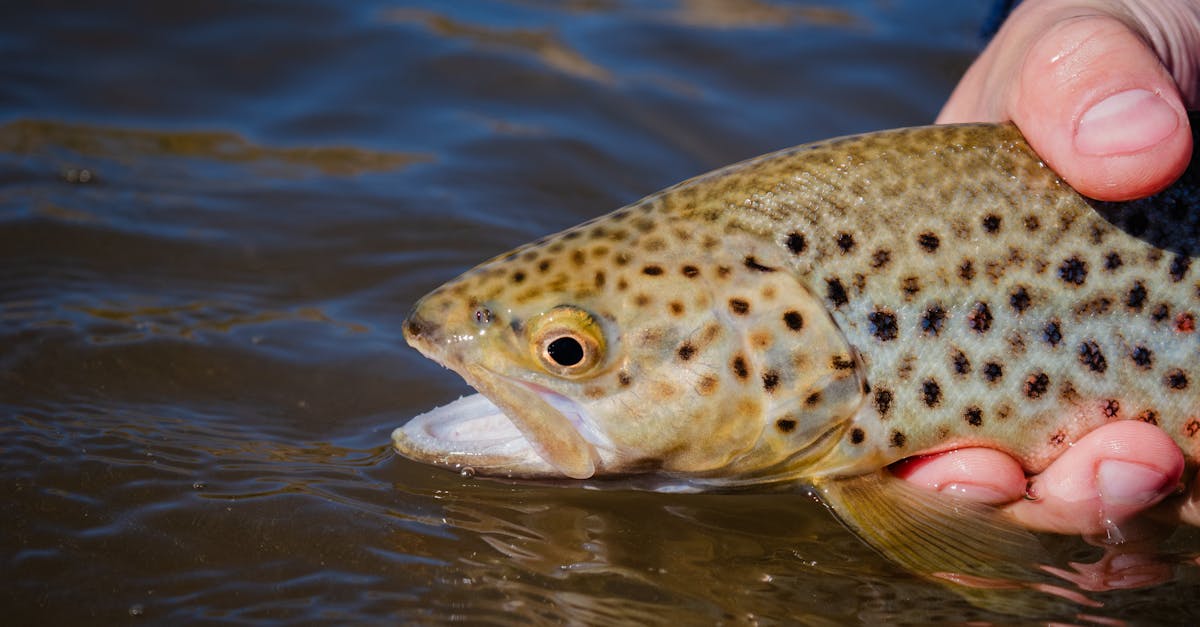
River Test keepers used ponds and holding reaches to keep brown trout (Salmo trutta) alive until London buyers demanded them at Billingsgate. Cold, oxygen-rich chalk water was the secret: trout stayed lean, fast-grown and immaculate in condition.
From chalk stream to cart
Keepers moved fish into carriers, churns and fish buckets, careful to avoid bruising. Carts trundled through Hampshire lanes; later rail sped the journey so trout arrived living or just landed, still bright-eyed. The Test and neighbouring Itchen were prized for a steady supply that outshone sea fish for certain tables.
Victorian cooks treated “Test” trout as a delicacy. Simple preparations ruled: poaching in butter and white wine, grilling over coals, or baking with parsley and lemon. The river’s diet—chalk invertebrates and cool flow—gave the flesh a clean, delicate flavour that needed little adornment.
Market boys and fishmongers at Billingsgate prized condition above all. A trout's worth fell with a nick or dull eye; alive, it commanded premium prices and found its way to club lunches and private dinners across London, shaping how trout cooking was taught in cookbooks that followed.
On a damp dawn the crates came in: sleet on wooden lids, handlers lifting damp nets, the flash of brown trout skin as the market light caught the living cargo destined for the capital.
Recommended: compact charcoal grill