
Victorian watercress beds and the Itchen’s trout
The Watercress Line opened in 1861 to carry cress from Alresford.
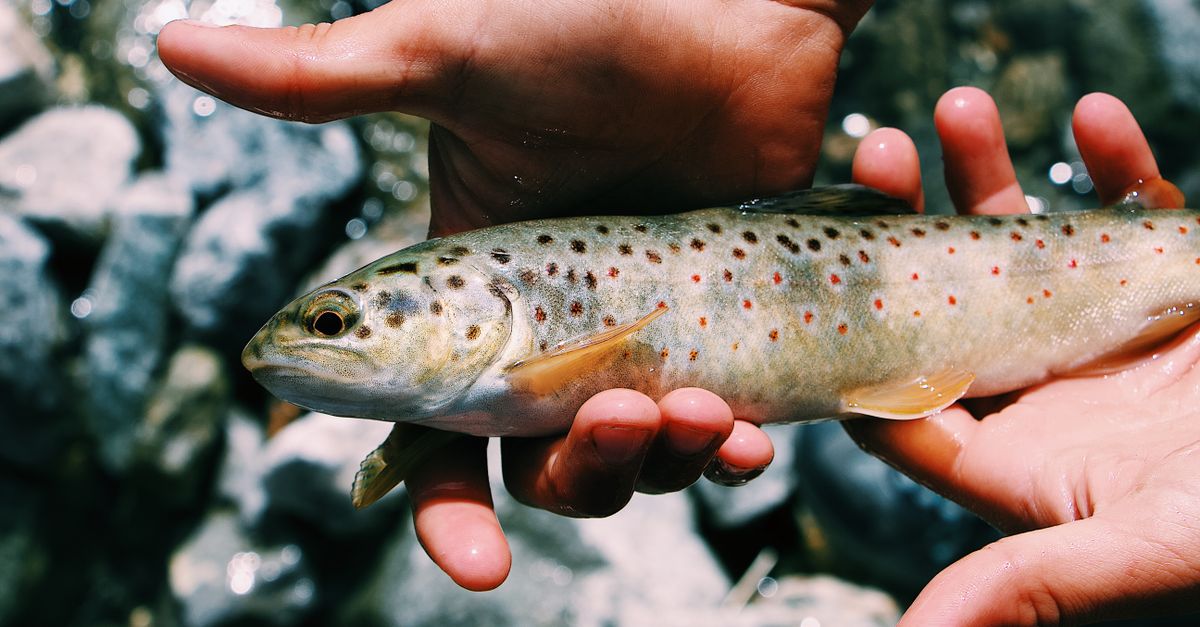
The Itchen above Winchester became a curated trout river: straighter carriers, cleaner spring runs and tended banks around Itchen Abbas and the mid‑Itchen beats. Victorian watercress farming sat cheek by jowl with fish farms, and the landscape was remade for food and fish.
Riverkeeping and culture
Keepers scythed banks, trimmed weed, removed coarse fish and stocked brown trout, turning wild water into prized beats where clubs booked pegs and visitors came with a dry‑fly and local expectations. The culture was Victorian—keepers, clubs, etiquette—and it codified how trout were fished here.
The Itchen’s brown trout reputation rests on that work. Wild trout above Winchester average just over 2 lb, with 3–5 lb fish turning up later in the season; sea trout and salmon run lower down. G. E. M. Skues nudged nymph practice at Abbotts Barton against orthodox dry‑fly doctrine born on Hampshire chalk streams.
In kitchens along the valley, simple pan‑fried trout with butter, parsley and lemon kept the link between river and plate. A winter keeper’s fire, a steaming basket of cress and the sound of a well‑placed cast on a clear chalk run linger as part of the river’s social history.
Recommended: cast iron frying pan