
From water‑meadows to evening seams
The River Test's 40-mile chalk stream in Hampshire is a river of sluices, carriers and care.
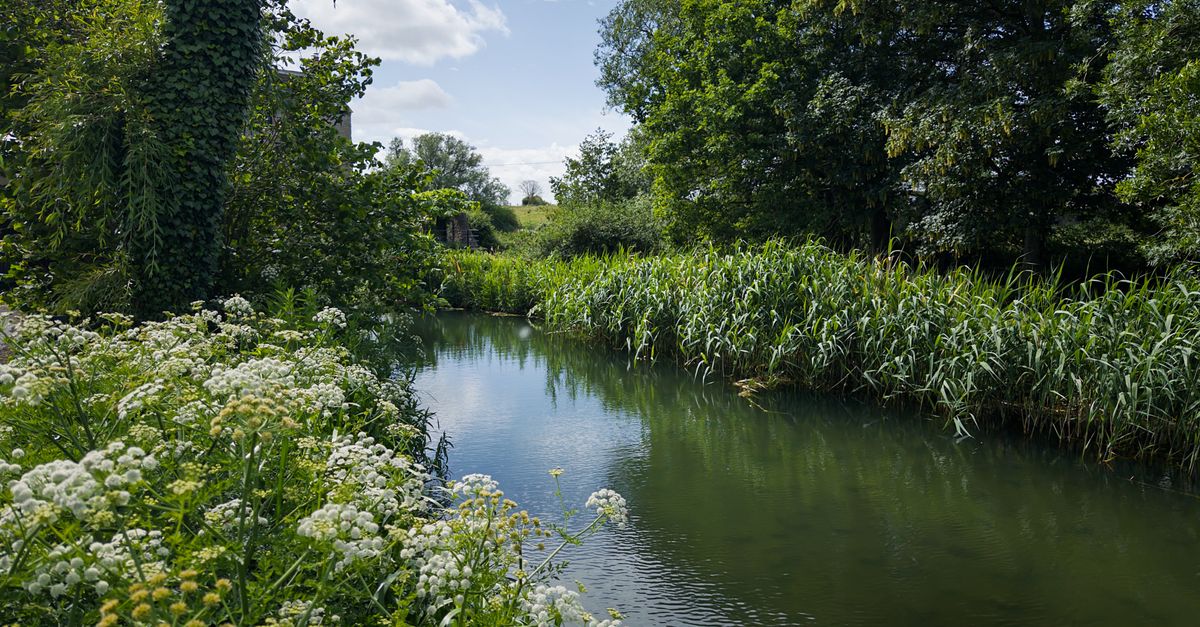
On that channel, water-meadow engineers once shaped flow with deliberate hands, cutting carriers and setting gullies so sward, weed and trout could co-exist. The same kept water clear, mineral-rich and steady—conditions that breed the short, electric dusk windows anglers prize.
Managed water, tuned rises
Keepers ran sluices to hold glides at the right depth, trimmed marginal reed and kept trout holding lanes where shallow seams meet deeper lies. Those practices favoured steady insect life: small upwings and emergers that trigger the classic evening feeding on Salmo trutta rather than loud, reckless surface takes.
Modern stewardship simply tightens the old craft. Around twenty sondes now monitor oxygen, ammonia and temperature every thirty minutes along key reaches, and that data matters—chalk streams are fragile and the Test was reshaped to maximise steady hatches.
The angler's routine on Test-style water reads like a ritual: wading boots creak, a fly-rod arcs low, casts land in last light along 0.3–1.2 m glides, and trout move from shaded margins into faintly lit seams to feed on emergers. The river keeps its hush; a dusk brown rises, and the bank remembers water-meadow hands who taught it how to hold a trout.