
How Watercress Shaped the River Test
Alresford and the River Test
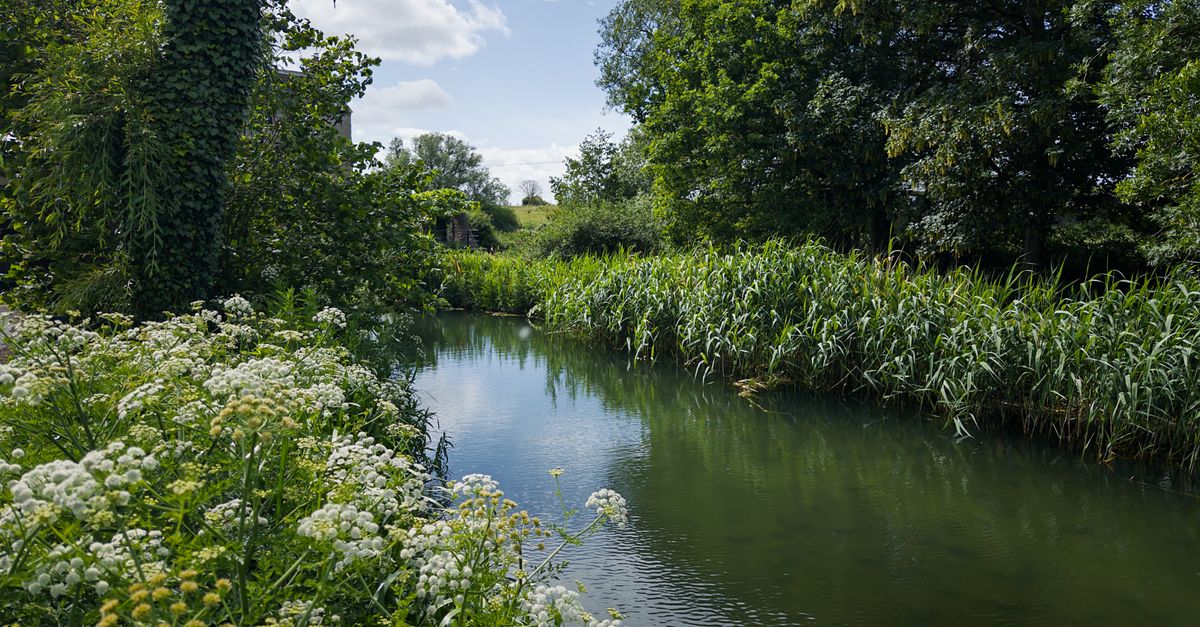
Alresford’s watercress beds set the scene long before formal beats: Victorian growers tended gravel beds fed by underground chalk aquifers, keeping water crystal clear and cold enough for juvenile wild brown trout, locally called grilses.
Those beds prevented silt and preserved streambed gravel where trout spawn; the consistent depth of 0.5–1.2 metres and flow of 0.3–0.6 m/s became the silent engineering of a world-class chalk stream.
Riverside cottages and fly lore
Riverside cottages, once homes of watercress workers, turned into quiet observation posts. Anglers compared notes on fly patterns such as the Test Blue and Wiltshire Dun, refined upstream presentation and retired to peat fires with a rod and a notebook.
Food and folklore fused: trout fillets pan-fried in butter with a handful of fresh watercress, or gently smoked to hang beside an open cottage window, became part of local hospitality. An old pair of wading boots leaning by a cottage door and a lantern on the sill remain as tangible links between kitchen, river and beat.
Today the River Test still carries that Victorian legacy in its clear channels, where a trout rising to a dry fly traces a direct line back to gravel beds, market trains to Covent Garden and the small, persistent stewardship of growers and tenants.