
Watercress and the Test
Longparish, 1800s: watercress pumps remade the River Test
Hydrology that rewired trout
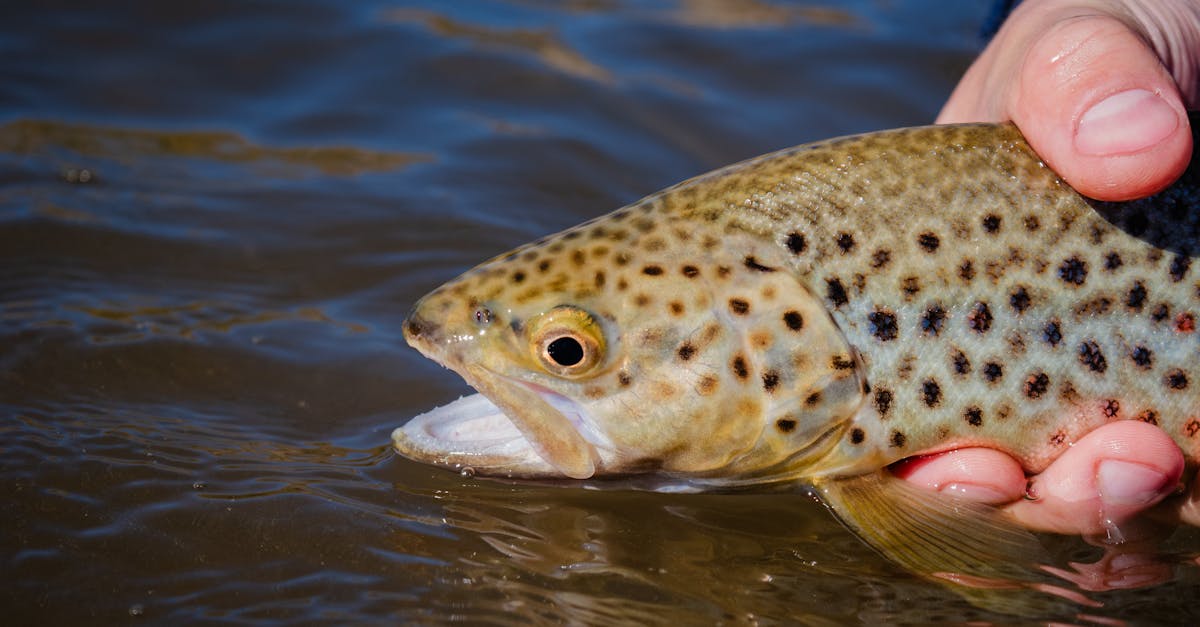
Pumps in Longparish and Whitchurch flushed phosphorus, potassium and zinc into the headwaters. Silt built downriver—six to twelve inches in places—forming classic pool-and-bar chalk stream structure: shallow glides of a foot or two spilling into four to six foot trout lies behind woody deflectors. Brown trout (Salmo trutta), eight to fourteen inch parr and two to five pound adults, moved from riffle to cress-fed pools to gorge on gammarus swarms and the Heptageniid mayfly hatch each May–June.
Flies, tactics, lore
Anglers tied the Watercress Emerger: hare's ear bodies, cress-green floss, dressed as #14–18 emergers and fished on 4–6 lb tippet with seven to nine foot leaders. Melampophylax mucoreus caddis—locally called the mucky—became a staple imitation. T. Sutcliffe's 1970s yarns about put-and-take stockings of ten to twelve inch Test brownies still surface in pub conversation at The Mayfly in Stockbridge.
Kitchen and hearth
Fulling Mill beat trout go straight from net to pan. Grill a two pound brown trout over alder wood, pan-sear four minutes per side, then serve with wilted watercress, butter and lemon. Steam six to eight ounce grayling fillets in a cress broth for twenty minutes; serve alongside Ranunculus-tangled outflows where dusk rises can produce twenty to thirty fish days in June–July.
Recommended: alder smoking chips