
February full‑moon sea‑trout and the torch‑fishing revival
February full‑moon sea‑trout and the torch‑fishing revival
Night moves on west‑coast rivers
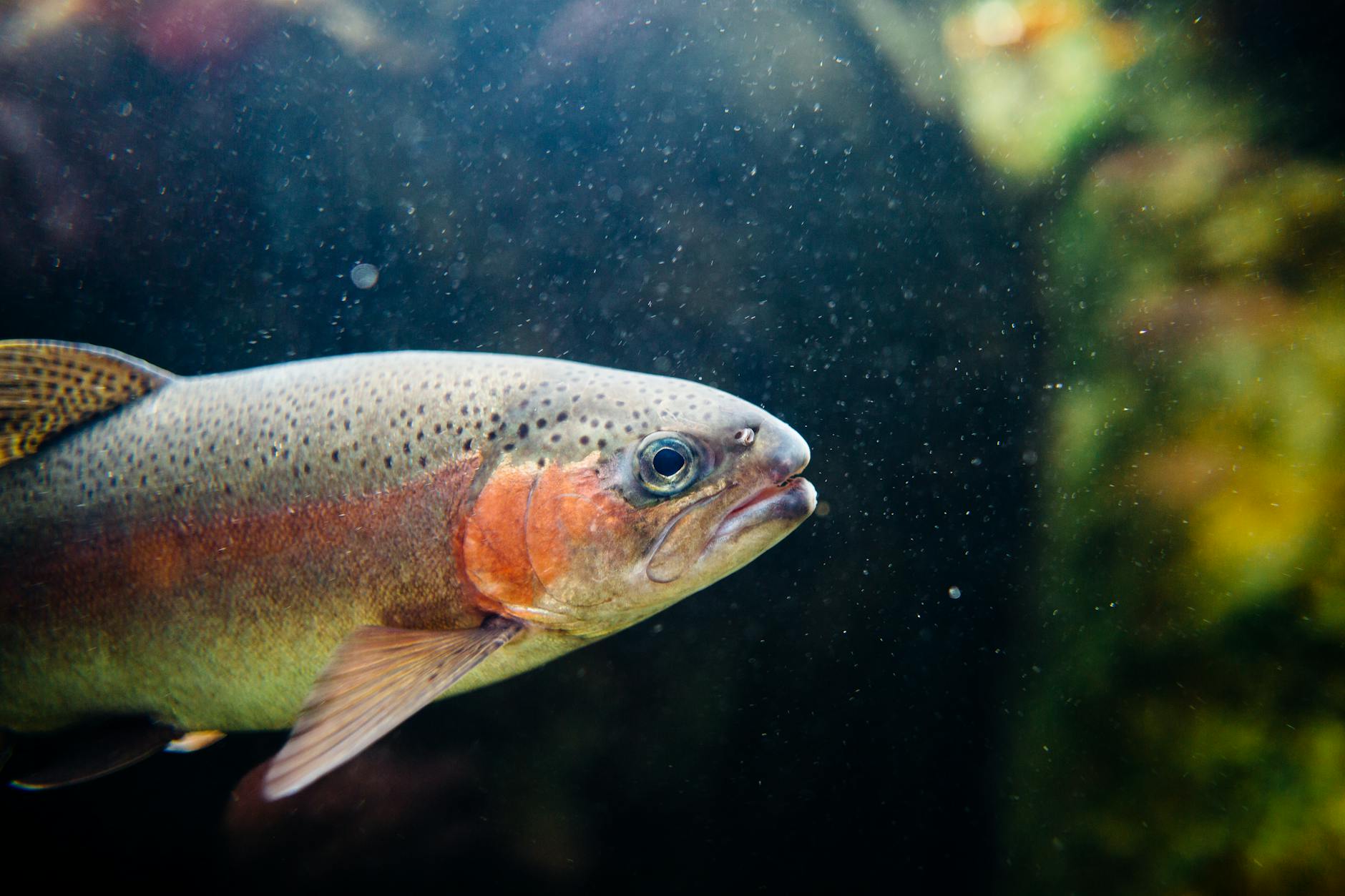
On sheltered west‑Wales rivers and small estuaries such as the Teifi, Dyfi (Dovey), Mawddach and Glaslyn, sea‑trout (Salmo trutta) are known to stage short, intense nocturnal upstream moves in late winter. These runs commonly follow ‘storm windows’—brief calms after autumnal or winter gales—when elevated flows flush invertebrates and small crustacea from estuaries and intertidal beds. A February full moon often coincides with higher tidal amplitudes and clearer nights, creating predictable pulses of movement that local anglers have long noted but seldom publicised.
Flatboats, lanterns and bead‑flies
A small cohort of coastal anglers has resurrected a low‑profile headlamp‑and‑flatboat approach once hinted at in coracle histories: slow drifting across tidal seams in low, stable boats with subdued lanterns, red‑filtered headlamps and compact bead‑flies fished on short leaders. The bead‑fly rigs mimic storm‑flushed shrimps and are presented in low light to avoid spooking wary sea‑trout. The technique blends old Welsh river craft with minimalist tackle, and relies on timing—calm evenings after a blow and the pull of the full moon.
Signals from changing coastal rivers
Beyond angling romance, the revived winter fishery offers an unusual lens on coastal river ecology. The predictability of February night moves appears sensitive to winter flow regimes, estuarine salinity and prey availability; subtle shifts in these factors—linked to milder winters and altered runoff patterns observed in Welsh catchments—seem to change the frequency and scale of runs. For conservationists and anglers alike, torch‑fishing outings illuminate how small, seasonally fleeting behaviours can reveal wider environmental change along Wales’s west coast.