
Secret Worthy Brook: March chalk-stream brownies
Secret Worthy Brook: March chalk-stream brownies
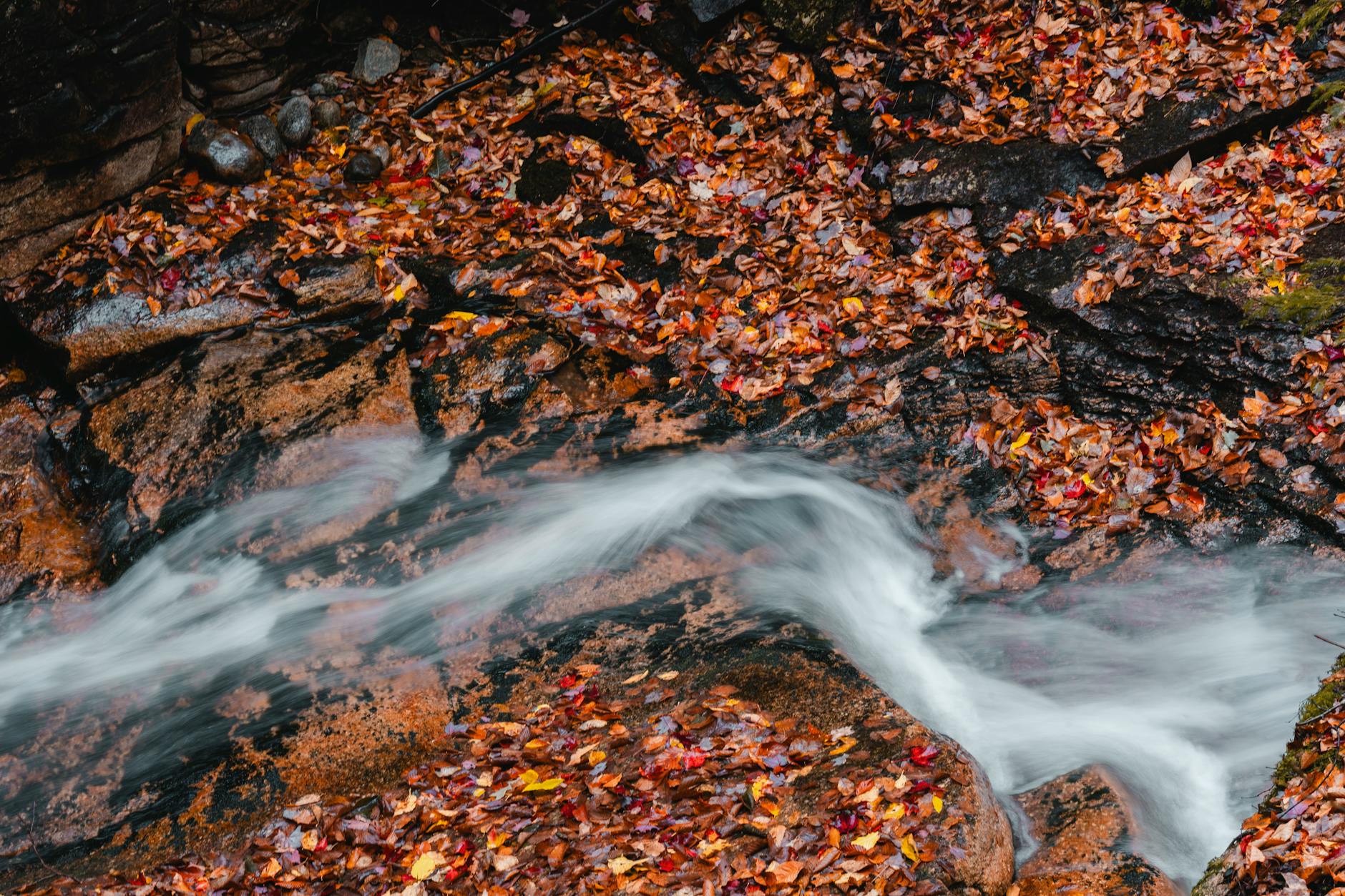
Reading March water after late winter rains
Worthy Brook, a small chalk-stream tributary of the River Itchen around Winchester, concentrates brown trout when late winter rains swell the channel. Clear chalk filtering keeps contrast high; anglers should read the flow by noting the faster, aerated seams against slower tails and the darker margins beneath bank-root tangles—these seams funnel invertebrates and force brownies to hold where oxygen-rich water meets shelter.
Precise access from a Winchester base
From central Winchester, a ten-minute drive or a 30-minute cycle reaches King's Worthy car park; public footpaths along Worthy Lane and the Itchen Way provide legal access to prime beats. An alternative is a short hop to Abbots Worthy, where permissive paths give direct riverside approach without long wading.
Single-handed rod setups
For concentrated March trout a 9ft single-handed rod in 4 or light 5-weight offers the best balance of reach and delicacy. Float line, a 9–12ft tapered leader and 5x–6x tippet suit dries and emergers; switch to 4x or an intermediate tip when fishing heavy nymph rigs through swollen seams.
Fly patterns and timing
Early sedge (caddis) and March brown mayfly activity responds to warming sun after rain—best from late morning into mid-afternoon. Effective patterns: small March brown dries/emergers (#14–16), hare’s ear and pheasant tail nymphs (#14–18) for subsurface feeding, plus an elk-hair caddis or CDC emerger for rising fish near banks and fallen willow.
Targeting fish below fallen willow
Brown trout commonly sit in the slack immediately downstream of fallen willow roots. Cast upstream into the seam so the fly drifts naturally past the pocket; in swollen March water a short dead drift then a subtle pull often triggers takes as fish intercept food funneled past cover.