
Reading Wye dusk seams and tailouts
River Wye Bredwardine tailout — 10- to 12-foot, 4X leader
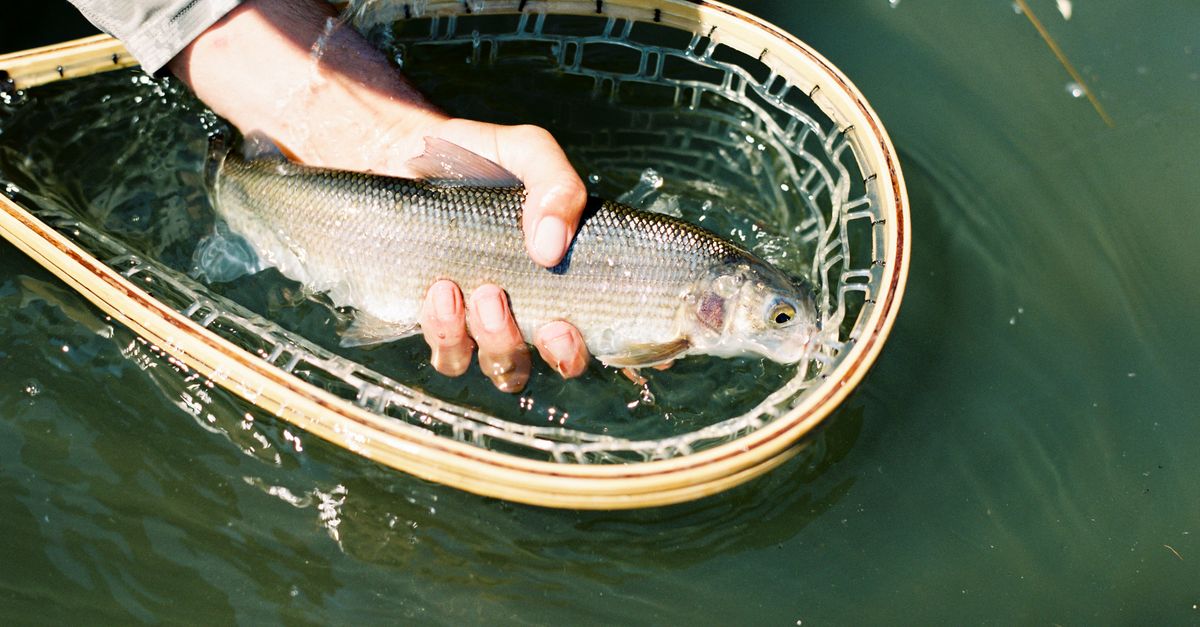
At dusk the Bredwardine tailout turns decisive: seams sharpen, rises change and a single cast can make the beat. Chalk‑stream trout hold the soft downstream edge where cleaner water meets the last push of current; that holding line shows itself in three visual cues every angler should know.
Visual cues
First, foam lines — bubbles and leaf debris collect in seams and mark feeding lanes. Second, rise forms — look for ringlets, soft dimples, a nose or the gentle slurp with a bubble burst; large trout often rise quieter than small fish. Third, colour breaks — the tail of a pool shifts from darker to paler water where depth shallows and current loses energy; that contrast is a classic holding stripe.
Leader tweak & presentation
Use a 10- to 12-foot, 4X leader as the baseline. On pressured beats or in gin-clear water drop to a longer, finer tippet. In low light employ a white-post dry fly or a visible sighter fly 1–2 sizes larger than the trailing pattern so the drift is readable and the working fly remains subtle. Keep presentations short and drag-free; a short upstream mend and a gentle downstream swing beat long false casts on tight chalk runs.
Stealth and casting
Stay low and scan from downstream, using the bank for concealment. Avoid high, exposed banks unless cover hides the silhouette. If wading, move slowly and deliberately in the shallow tailout and rely on wading boots with good grip to minimise disturbance. Cast across and down or from downstream so the leader doesn’t land over fish, keeping the combined line and leader within 12 to 25 feet on first passes.
The right cue, the long leader tweak and a single stealthy cast often end at dusk with a soft dimple and the flash of olive flanks beneath the last light.