
Wye Dusk Grayling: Low‑Flow Seams
11 ft #3 rod on the River Wye at Hay-on-Wye: low-flow seam reading
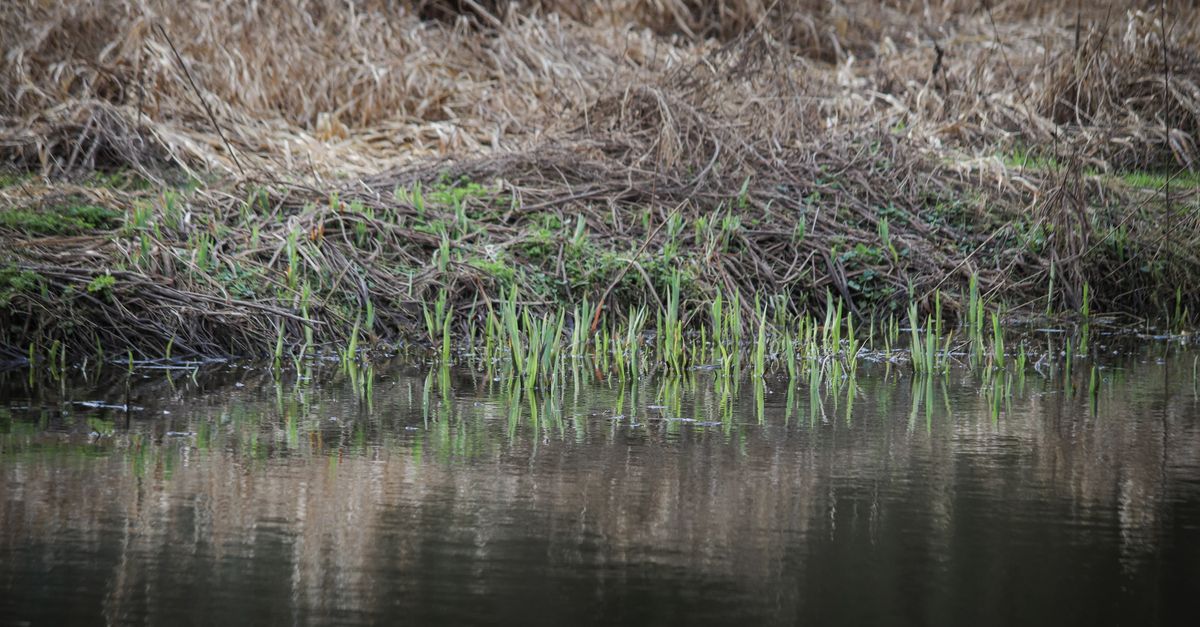
The consistent ticket on the Wye is the tail end of riffles and the first clean run below faster water; fish sit in 3–6 ft where sand, chalk or gravel gives them a feeding window. Cast across or slightly upstream of the ripple and dead-drift a team until dusk, then switch if risers show.
Tippet choice matters: 4 lb fluorocarbon is the go-to for a three-fly rig with 18-inch spacing on an 11 ft #3 nymphing rod. For ultra-clear beats anglers will lengthen the leader and use around a metre of tippet in a Klink & dink duo to present subtle emergers.
Two emerger patterns that win at dusk on the Wye are Hare’s Ear emerger and Peacock quill emerger, sizes 14–18. Fish the Hare’s Ear as the top or middle fly and the Peacock quill as the point in clearer water; watch the top dropper closely—Wye grayling often nail that first.
Knots, rigs and where to cast
Use an improved clinch for the fly, an alcohol-proof blood knot for tippet joins and a loop-to-loop for leaders. Typical dusk presentation: two to three hours before darkness, trundle a wet team through the seam where fast meets slow, target the tailout and the back end of riffled water where it flattens out.
When fish are visibly rising, wait to see the rise then switch to a spider-style dry or a surface-presented emerger; the give of 4 lb fluoro and delicate flies size 14–18 keeps takes clean. A silver flash and the soft pop of a dusk rise in the Wye's tailout is the unmistakable signal.