Soft plastic material and properties
The name is misleading. Soft lures are not made of silicone but of PVC plastisol — a liquid mix that is poured into a mould and heated until it sets. The word "silicone" has stuck in everyday use, and we use it too, but it explains none of the material's behaviour.
Softness is the share of plasticiser
PVC on its own is hard. What makes a lure soft is the plasticiser added to the mix: the more of it, the more pliable the body. So "soft" and "firm" lures are not different materials, just different proportions of the same mix.
There is one practical consequence: softness and durability are opposite properties. The lure that works best on a slow retrieve is also the first one to tear.
Plasticiser does not stay put
Over time it migrates out of the body: the lure hardens, the tail loses its movement, and the colour yellows. How fast this happens depends on temperature and air exposure, not on how many times the lure has been fished: an unopened pack ages just the same in warmth, and noticeably slower in cool, dark storage. The same process explains the sticky surface and why two lures in one box weld together — the liquid moves from body to body and carries the dye with it.
Salt, attractants and "edibility"
Salt and flavourings are often mixed into the batch — that is how edible soft plastic is made. Salt adds weight to a lure and makes it more brittle at the same time, and that is not a claim but something visible on the water: a salted lure tears noticeably sooner.
Colour is mixed into the batch, not applied on top
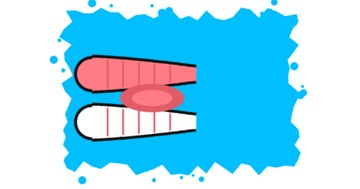
The dye is added to the liquid mix before pouring, so the colour runs the full depth of the body: a scratch on the lure does not expose a different colour underneath, the way paint on a hard lure would. Two-colour lures are poured in two stages — one part first, then the other, and the boundary between them is visible in a cross-section.
Floating soft plastic is the same material with bubbles
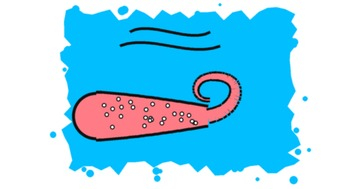
Some lures are poured from a gas-filled mix: tiny bubbles are spread through the body, and the lure floats instead of sinking. On a rig with a separate sinker it then stands above the bottom, tail up, rather than lying on it.
What sun and heat do to the material
Direct sun and a heated car interior speed up both the loss of plasticiser and the colour change: a box left on the dashboard can turn a set of lures into a fused lump within a single day. The same material is not bothered by frost — it only stiffens temporarily and returns to its previous state once it warms up.