Groundbait composition: four roles
A mix isn't described by listing what's in it, but by four roles. The same product can play different roles depending on how finely it's ground, and conversely, different products can do the same job.
The four roles
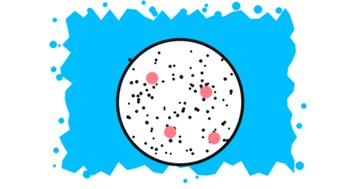
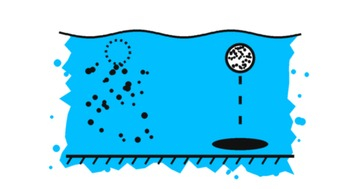
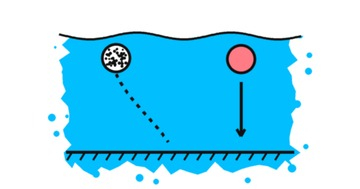
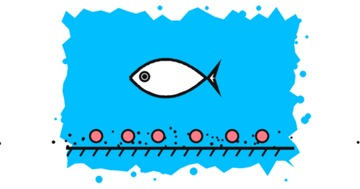
The base provides bulk and carries everything else. The binder and loosening agent decide how long the ball stays a ball. Soil adds weight and takes away food value. The coarse fraction is what makes the fish stay put.
One product, different roles
Coarsely ground breadcrumb is a base. The same breadcrumb, ground to dust, works as a source of cloud instead. The same grain works two ways too: boiled, it's a coarse fraction; minced, it's a binder. What changes the role isn't the raw material, but the grind and the processing, so a list of ingredients says nothing about the mix until it's said what was done to them.
Why break a recipe down by role
Because a recipe doesn't transfer. The same mix behaves differently in current than in still water, and one ingredient can only replace another once it's clear which role it played. Breaking it down by role makes this visible: not ‘use bran instead of breadcrumb’, but ‘replace part of the base with something lighter and faster’.
Ready-made mix and home-made
A ready-made mix is sold already broken down by role — it has a base, a binder, and usually some soil. A home-made one requires putting together all four roles yourself, and the most common mistake here isn't the raw material but a missing role: a mix without ballast doesn't reach the bottom, a mix without a coarse fraction doesn't hold fish.
What won't be here
Proportions. They depend on depth, current, temperature and which fish are expected — and any number here would read as a norm. Instead of proportions, moisture decides, along with how the mix behaves in water after it lands.
What to read next
Four cards, one per role: the base, binders and loosening agents, soil and ballast, and coarse fraction.