Groundbait: attract without feeding
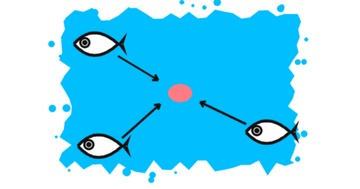
Groundbait doesn't catch fish. It does one thing: it moves fish from an area into a spot — the spot the angler can reach with a cast. Everything else about it follows from that one job, which is exactly why the mix isn't described as a recipe.
Three jobs that contradict each other
Groundbait has to attract fish from a distance, hold them in place, and at the same time not feed them. The first calls for a fine particle that spreads through the water. The second calls for a coarse one worth staying for. The third contradicts both: everything the fish eats lowers its interest in the hook.
Because of this, there's no universally correct solution in groundbait. Every ingredient and every portion is a compromise, and the question is always the same: what are we paying here for what we gain.
Why there isn't a single number for quantity here
Because that number is tied to jurisdiction. Ukraine's Amateur Fishing Rules don't mention ‘groundbait’ at all — they regulate what's on the hook, not what's thrown into the water. In Poland a limit exists, it's set per day and varies by district, and on some stretches groundbaiting is banned for part of the year. In Germany it all depends on the state and the water's leaseholder.
So in this branch quantity is described through feedback: the bites show whether enough feed has gone into the water. How much is allowed is a question for the rules of the specific water, checked before heading out. In detail — how much groundbait to use.
Where it works differently
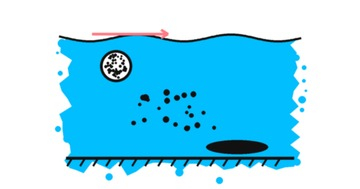
In strong current the mix gets swept away, and without ballast or a feeder the patch won't hold where it was thrown. In cold water fish eat little, and the mix has to be made poorer, or the same volume starts feeding the fish instead of gathering it. And where there's no fish at all, groundbait won't create any: it only gathers the fish already in the water. That's why finding the spot comes first, and the mix comes second.
How the branch is arranged
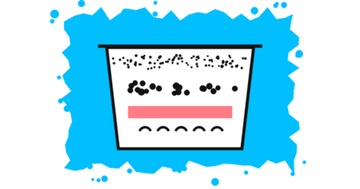
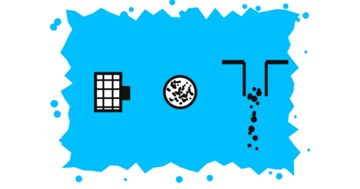
Composition breaks any mix down into four roles — base, binder, ballast, coarse fraction. Behaviour in water explains what happens to the mix after it hits the water. By fishing method shows why feeder, float and winter mixes are built differently even from the same ingredients.
What isn't in this branch
Recipes. Proportions of ‘this much to that much’. Advice on which brand to buy. And any chemistry of attraction: concentrations, amino acids, ‘bite boosters’. There's something to say about smell and taste, but that needs sources, not a confident tone — and once they're found, that will be a separate branch of the root.