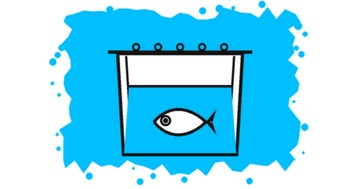
Keeping livebait: water, cold, oxygen
In a livebait rig, everything except the fish itself works the same morning and evening. The baitfish is the only part that spoils on its own, and more often than not it dies not from the cold but from what people do to it.
Three separate jobs
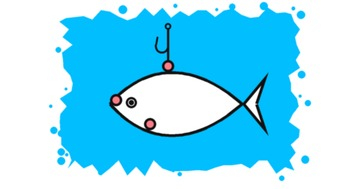
Getting the fish there alive, keeping it on the ice for a few hours, and putting it on the hook so it stays lively. The first two are solved by the bucket, the third by the way it's hooked. The three aren't interchangeable: a fish alive in the bucket still guarantees nothing on the hook.
What kills it fastest
A sudden change in water temperature. A fish moved from cold water to warm, or the other way round, dies faster than it would from a shortage of oxygen. So the water isn't warmed on the way, and it isn't swapped for 'fresh' tap water — more of the same water it travelled in is topped up instead.
Second — crowding
The more fish in the same volume of water, the faster they use up the oxygen dissolved in it. Crowding also injures them: the fish rub against each other, the slime coat wears off, and a fish like that lives noticeably less time on the hook.
Third — time in the hand
A fish held too long in the palm loses its slime coat to the warmth of a dry hand. It's picked up with a wet hand, quickly and once: every extra trip out of the bucket shortens its life on the hook.
What the hole does to it
The water in the hole is colder than the water in the bucket, and a fish dropped straight in stays motionless for several minutes. That isn't death, but it's exactly those minutes when it isn't working as bait — so the rig isn't checked right after it's set.
How a bait bucket differs from an ordinary one
A proper bait bucket differs from an ordinary bucket by a lid with holes, and a good one by a double wall as well: the water inside changes temperature more slowly. A plain pail is fine for carrying the fish from the car to the hole, and not much more.
How many baitfish to bring
As much as can be used in one trip, plus a small margin for the ones that don't make it. Extra fish don't keep for later: crowded together, they die faster than they would on the hook.