Rigs that fish without the angler
Everything already standing in this root — the rod, the reel, the line, the hook — is something the hand controls. Here it's the opposite: the rig fishes while the angler is somewhere else, and he comes back to it later.
What follows from that
With no hand on the rig, there is no timing a hookset and no holding back a run. So a livebait rig is built around one thing: letting the predator take the bait and move off without feeling any resistance, then showing the angler that it happened. That's where the free-running line, the reserve on the reel and a signal visible from a distance all come from.
The baitfish is the only living part of the rig
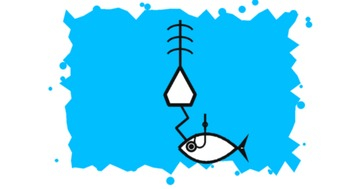
It has to survive until it's fished, stay lively in the hole, and stay on the hook. Three separate jobs, each solved on its own: by the container, by how it's hooked, and by the depth it's set at. The first two are covered in a subcategory of its own.
The signal matters more than anything else
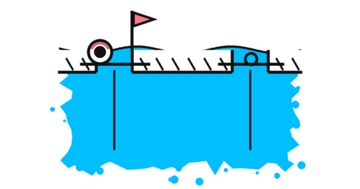
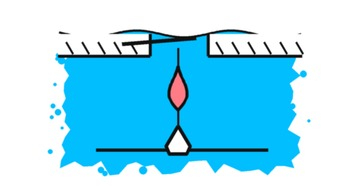
A tip-up with a flag shows the bite by itself, a flagless one shows nothing at all. It isn't a matter of better or worse, it's a different way of working: with a signal, the rig is checked by eye from one spot; without one, by walking the round. What decides the choice isn't the rig, it's how long that round takes.
Not baitfish alone
Under the hole there are also rigs with no live fish at all: the ice bottom rig and the winter float. They carry no baitfish, but the principle is the same — the rig stays put, the angler moves.
Regulations matter more than the rig
How many rigs can be set, whether fishing with a live baitfish is allowed at all, and where the baitfish comes from — none of that is decided by the design. It's decided by the rules in force, and those differ by region and by country. We describe how the rig is built, not how many of them to set.
How this differs from a summer sit-and-wait rig
A summer bottom rig also fishes on its own, but it can be cast anywhere and moved in a minute. Here the hole sets the spot: the rig stays wherever the ice was drilled, and moving it means drilling again. The second difference is frost: anything that gets wet in winter turns to ice within the hour.
What we don't cover here
There's nothing on ice safety — that's a separate subject, and no rig changes it. There's no advice on which baitfish to use for which fish or where to catch it. And there are no numbers: not how many rigs, not depths, not baitfish sizes — all of that belongs either to the rules or to the water.