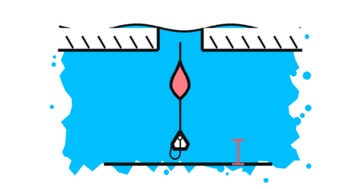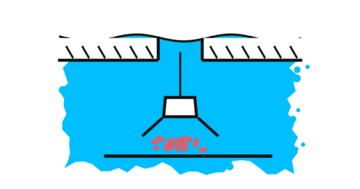
Winter float fishing: sit and draw fish in
Spot is a baited hole, prepared in advance. Presentation is a bait sitting motionless. Rhythm doesn't exist at all. Exit is when the fish under the hole have scattered and more groundbait hasn't brought them back.
The three neighbouring methods all mean walking or moving the lure. This one is the opposite: the rig sits still, and so does the angler. It's about gathering fish to you.
What the person does
Sets the float, sets the depth under it, lowers the bait, and waits. Beyond that — baits the hole and changes the bait. There's no ongoing presentation here, and that's the whole difference from ice jig fishing: same gear, different method — the shortest example of why gear and methods need separating at all.
Why a float and not a spring bobber
A motionless rig has to show the faintest touch, including bait lifting upward. A sunk winter float shows that as an upward movement, which a spring bobber reads poorly. The float only works in still water — current sweeps it off.
The method lives on groundbait
Without it, a motionless bait just waits for a stray fish. With it, a shoal gathers under the hole, and then sitting starts to make sense. How the hole gets baited is a card of its own, and it's what actually makes this method a method.
Several holes instead of one
There's no point sitting on one hole all day: a spot that's already given up its fish doesn't refill right away. So a row is prepared and worked in a short circuit — moving on once bites stop, and coming back on the next pass. It's the same kind of round as with tip-ups, just without any rigs left on the ice.
Depth accuracy decides everything
The bait has to sit in the layer where the fish are, and a miss here costs more than it looks like it should. So depth is set slowly and to the end, and on a new hole it's reset from scratch.
What frost does here specifically
More than in the neighbouring methods. The float sits just under the surface, and a hole that's begun to skin over hides it before the angler notices. So you don't stray far for long, and snow gets brushed back from the edges: this is the method that keeps the hole open — unlike a tip-up, which is exactly saved by a hole under snow.
What it costs
Staying still. Sitting is harder on the cold than moving, and changing spot costs not just drilling but fresh groundbait and a fresh wait — a ready spot doesn't appear right away. So this method is kept for water where the fish are already found, and it's almost never how an unfamiliar body of water gets started: that's scouted with something fast first, and only then do you sit down.