Ice jig fishing: the hand never stops
Spot is one hole. Presentation is the lure going down to the bottom and back up. Rhythm is a fine tremble from the wrist. Exit is when several rhythms have been tried and none got an answer. Three of the four here are set by the hand.
An ice jig has no action of its own — that's already said in the lures root. For the method that means something else: there's no such thing here as "the lure worked on its own". The hand stops, and so does the lure.
What the hand actually does
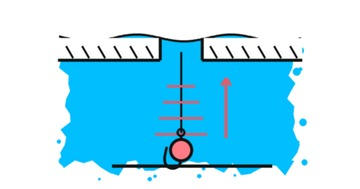
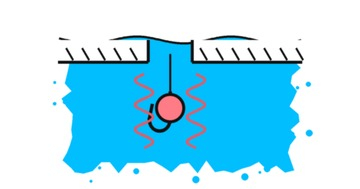
It sets the frequency of the tremble and the speed of the rise — the angler controls nothing else in this method. The hand doesn't jerk or strike: it holds a steady, fine tremble while at the same time carrying it upward with a second, slower motion. Two motions in one wrist — that's the whole technique, and it fills the whole day.
Why rhythm matters more than shape
Two different jigs with the same rhythm work alike; the same jig with a different rhythm works differently. Shape changes how fast the lure sinks and how visible it is from the side, but it's the hand that sets the tremble itself. Shape is covered separately, among lures. That's why this method is described through the wrist, not through the tackle box.
Two branches of the method
With bait, and without. In the first, the fish also gets smell and taste, and a slip in rhythm is forgiven. In the second only the movement works, and the demands on the hand rise sharply. How these two ice jigs are built — that's in the lures root.
The retrieve runs bottom to top
The jig is lowered to the bottom and carried upward, layer by layer. This isn't a quirk: it's how one pass checks the whole water column under the hole, and shows at what depth the fish is holding.
Why this method ties you to the hole
You don't cycle through spots quickly with an ice jig: before moving on, an angler works through rhythms and depths, and that's a lot of passes on one opening. So this is the last method to change hole — in exactly what order is covered in the card on the retrieve.
Why the rod is held the same way every time
Because the grip sets the frequency. The rod rests in the fingers, not the fist, and the elbow needs support — a knee, the edge of a box, your own side. Without support the arm tires fast, the frequency drops on its own, and the angler doesn't notice: the motion feels the same, but the lure is already working differently.
What this method costs
Arm fatigue and being tied to one hole. An ice jig demands constant work: the moment the hand stops, the lure is dead. That's why it doesn't cover ground as fast as a spoon: in the time it takes to work through a few rhythms on one hole, spoon fishing would have covered several holes. But when the fish are sluggish and won't touch anything fast, an ice jig reaches them when every other method goes quiet.