Falling Through Ice: What Happens
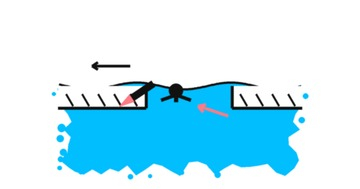
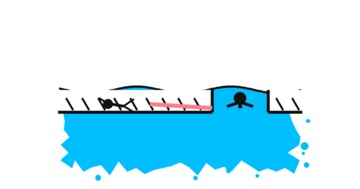
Three cards: self-rescue, rescuing another, and what happens afterward. All three share the same physiology, and that's where to start, because it's the part most often misreported.
What Kills Isn't Hypothermia
Not first, at least. Immersion in ice water goes through several phases, and death can come before hypothermia does: first cold shock — an uncontrolled gasp and hyperventilation — then cold incapacitation, as muscles and nerves cool down and stop responding. Hypothermia itself comes third.
Why There's No Countdown Here
The "one minute, ten minutes, one hour" mnemonic circulates in fishing texts as fact. The National Center for Cold Water Safety shows that it contradicts a book by its own author: cold shock can kill in seconds, while the ability to move fades gradually, it doesn't cut off at the tenth minute.
Why the Convenient Scheme Is Harmful
It hands out two falsehoods at once. A sense of time in reserve that doesn't exist, and a sense of a deadline after which it's supposedly already too late. The first slows down the person in the water; the second stops the person on shore. DLRG puts it without numbers: getting out has to happen in the shortest possible time, because within a few minutes the limbs stiffen.
What Follows From This In Practice
That people act immediately instead of assessing. And that help doesn't end with getting the person out — which is exactly why the list of phases includes a fourth, circum-rescue collapse: the condition can worsen sharply even after a person has been pulled out. That's why what happens afterward gets its own, separate card.
Who Gets Called
Each country's own rescue service — and that call comes first, not after other attempts have failed. The number differs from country to country, and it is looked up before heading out onto the ice, not from the water.