Signs of Dangerous Ice
There's nothing underfoot to measure the ice with, but it can be seen. A sign isn't a measurement and it isn't a scale: it doesn't say "it's this much thinner here," it says "turn back from this point."
Two Questions Instead of One
Ice weakens for two independent reasons. Place — current, vegetation, drainage, someone else's weight nearby. Time — a thaw, a sharp swing in temperature, fresh snow, the start and end of the season. The same spot can be solid one week and empty the next.
A Sign Only Works One Way
It can stop a person, but it can't clear them to go. The absence of visible signs doesn't mean the ice is holding: a blanket of snow hides color, cracks, and the open water underneath alike. It's the same case where the silence of a check gets read as an answer of "safe."
Why Color and Cracks Matter
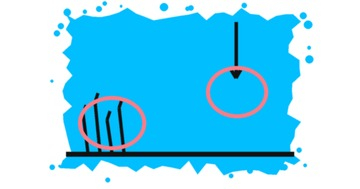
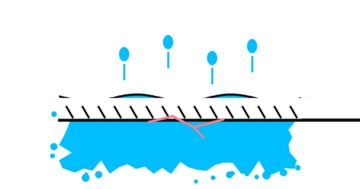
Because they're the only thing visible without a tool. Ukraine's State Emergency Service names uneven coloring on the same stretch of ice as direct grounds not to go out: it means the ice froze unevenly. Cracks that appear underfoot are named by the service as grounds to return to shore immediately — not to finish the round of holes, but to turn back.
What Signs Don't Show At All
Currents under the ice, and open water covered over by snow. Neither has a shape visible from above, which is why the list of signs names places, not objects: a suspect place is avoided even when it looks no different to the eye.
What This Means for an Angler
That signs are read on the way in, not on the spot. Drilling the first hole wherever the walk happens to end, with no check along the way, is no longer a risk assessment — it's the consequence of skipping one. The order in which holes are checked is described in the next section, and it starts right from the walk to the first one.