Baitcasting reels: the spool turns
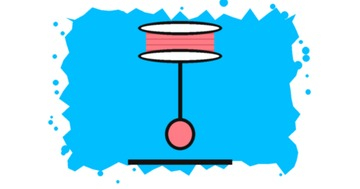
A baitcasting reel is built the opposite way to a spinning reel: line comes not over the lip of a fixed spool but off a turning one. That single difference drags everything else with it.
Rotation gives pulling power
Because line winds straight onto the drum, force is transmitted directly, with no bend over a lip and roller. A baitcaster pulls better than a spinning reel of the same size and takes sustained load more easily.
So heavy lures and big fish are its territory. Where a spinning reel is working at its limit, a baitcaster still has margin.
The same spool creates the backlash
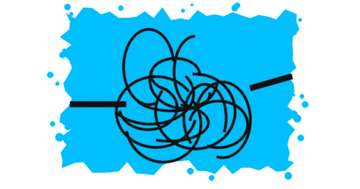
Once spinning, the spool does not stop by itself. If the lure slows — hits the water, catches the wind — while the spool keeps turning, line leaves faster than the lure takes it and gathers in loops. That is the backlash.
Picking one out takes a long time, and sometimes it is quicker to cut it away. That is why a baitcaster is considered a type for people who can already cast.
Brakes exist not for distance
Baitcasters have braking systems that hold the spool back as it accelerates. Their job is not to make the cast longer but to stop the spool outrunning the lure.
Brakes are set for a particular lure and wind, not once and for all. Changing lure weight means resetting them, and that habit is what separates someone who fishes a baitcaster from someone who struggles with one.
Left-hand and right-hand is not a setting
Unlike a spinning reel, where the handle can usually be swapped to the other side, baitcasters are made separately for right and left hand. On most models the handle cannot be moved.
It is a choice made before the purchase and for good, and there is nothing to fix it with afterwards. A mistake here costs more than any other setting on the reel.
It needs its own rod
A baitcaster mounts on top of the blank rather than underneath, so a rod for it has smaller guides on the upper side and its own seat. Fitting one to an ordinary spinning rod is technically possible, but the line will lie wrongly and start rubbing on the blank.
How reel types match rod types is covered in Fishing reels and Fishing rods.
Where it wins
Fishing heavy lures, hauling fish out of weed and timber, short accurate casts where thumbing the spool matters. It loses on light lures: there is simply not enough weight to start the spool turning.
Construction is covered in What a baitcasting reel is.