Ice Safety Gear: What It Buys
No object makes the ice stronger. Everything carried along works only after the ice has already failed, and it's chosen by one question: what helps in the first few minutes.
Why the First Few Minutes
Because that's when everything is decided. Germany's DLRG puts it this way: within a few minutes in the water, the limbs stiffen enough that self-rescue attempts fail outright. Not "gets harder" — fail. So gear is judged not by comfort, but by whether it will be in hand and will work with numb fingers.
What's on the Body and What's on Shore
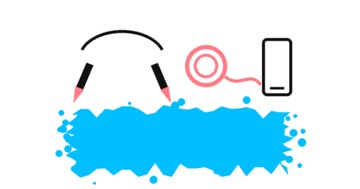
What sits in a box on the ice doesn't exist: a box can't be reached from a break in the ice. That's why the kit splits into what hangs around the neck or sits in a pocket, and what stays on shore and in a partner's hands.
The Most Important Thing Isn't an Object
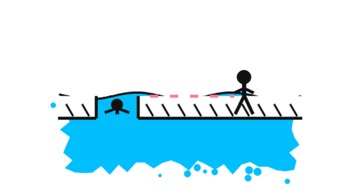
A person in the water can't throw themselves a line or call the service. That's why a partner gets its own card in this list, not just a line item: every external-rescue protocol starts from the fact that someone else is nearby.
What Gear Doesn't Do
It doesn't justify going where one wouldn't have gone without it. This is the most common mistake with every safety item at once: having picks and a throw line changes not the strength of the ice, but only the odds of getting out. Signs are read just as carefully after buying picks.
What's Outside This Branch
Flotation clothing and life jackets are a separate branch of this same root: they work beyond ice too, and are described in terms of newtons of buoyancy, not ice. Clothing and how it holds warmth are also covered separately.