Hardbaits: a lure with its own depth
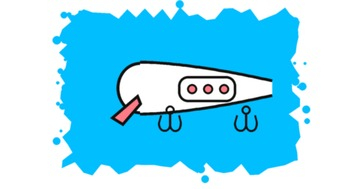
A hardbait is a rigid lure with a lip at the front. Unlike soft lures, it needs no separate weight and no hook: both its own action and its working depth are built into the lure itself.
Two things no other lure has
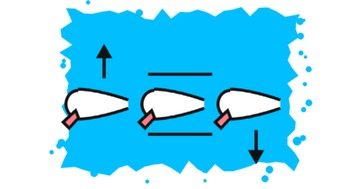
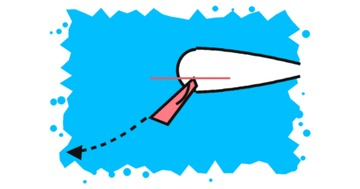
The first is its own motion: the lip catches the flow, and the lure starts wobbling side to side from a plain steady retrieve alone. The second is its working depth: the same lip pulls the body down, and on the retrieve the hardbait holds its depth instead of dropping or rising.
That is why a hardbait is worked along a set depth rather than with a hop-and-drop retrieve from the bottom: the depth is set by the lure itself, not by weight or a pause.
The section splits into class and lip
Class is about the lure itself: what it does without motion (floats, sinks or holds) and how a body of a given shape moves. The lip is about the one part no other lure has, and how deep it takes the lure.
How it is retrieved
A steady retrieve switches the action on and holds a set depth — this is the base method everything else builds on. A jerk retrieve adds breaks: the lure is knocked out of rhythm with short strokes of the rod, and after each jerk it does not settle back into it right away.
A pause is a separate tool, and it works differently depending on the buoyancy class: when stopped, a hardbait stops its action but does not stop fishing.
The hooks hang exposed
A hardbait carries two or three treble hooks on split rings, and there is nowhere to hide them. That makes it quick to hook fish and helpless in weed: the lure collects everything it passes. Where the bottom is snaggy, a soft lure with a hidden point works, not a hardbait.
It does not wear out
A rigid body does not tear on the hook or get cut by teeth the way silicone does: a hardbait lasts for years, and that is built into its price. It gets lost not from wear but from a snag — so it is tied with a reliable knot or snap, not the thinnest one to hand.
Size cuts off the fish
A small hardbait draws bites from anything able to grab it, a large one cuts off smaller fish by mouth size alone. This is not a guarantee of a trophy but a choice of which fish can take the lure at all.
What a hardbait does not do
It does not change its depth on demand: a lure built for the upper layer will not go to the bottom no matter how slowly you retrieve it. And it does not work standing still — a stopped lure loses its action at once, unlike silicone, which still shows something on the fall.