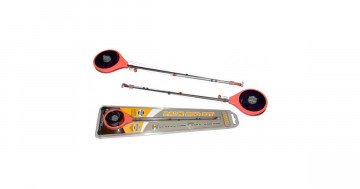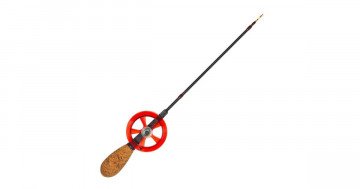
Winter rods: short and always in hand
A winter rod differs from every other type more than any of them differ from each other, and the reason is simple: there is nowhere to cast. The angler stands over a hole, the lure drops almost vertically, and the distance to the fish is measured in depth, not in casting range.
Why it is short
Length gives a winter rod nothing. It does not add range, because range is not needed, and it does not help manage line above the water, because there is no water on the surface — there is ice. A long blank only gets in the way: there is no room over a hole, and the angler is often sitting.
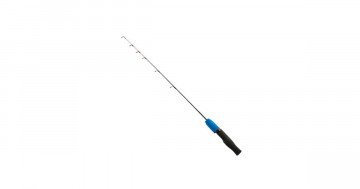
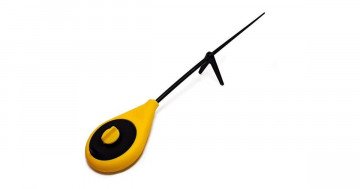
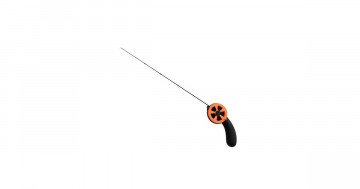
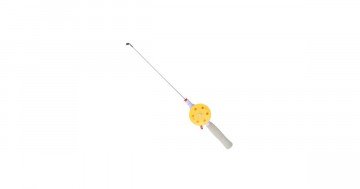
So winter rods are made short enough to be worked with the wrist of one hand. This is the only type that is held all day and almost never put down.
A nod instead of a quivertip
The indicator here is the nod — a springy blade at the rod tip. It shows not only the bite but the action of the lure: by its motion the angler sees what the jig is doing below, though the lure itself is out of sight.
That is the fundamental difference from a feeder, where the tip only reports a bite. The nod takes part in the fishing, and it is matched to lure weight: a weight too heavy for the nod straightens it and the action disappears.
Frost changes what materials must do
In cold, plastic turns brittle, metal chills the hand through a glove, and moisture on the tackle freezes. So a great deal of attention in winter rods goes to the handle: it must not conduct cold and must not slip in a wet glove.
No summer type has that requirement, and it decides the choice of material more often than strength does. Covered in Winter rod material.
The hole limits the setup more than the blank does
The diameter of the hole sets the limit for the whole session: a fish wider than the hole cannot be brought up, and no rod will fix that. So winter fishing depends not only on tackle but on auger size and on being willing to widen the hole in advance.
Playing a fish here happens vertically and blind, in a narrow opening with sharp ice edges. The line rubs on that edge, and that is where it breaks most often — from abrasion, not from load.
Kinds are told apart by method
Jigging, spoon fishing, tip-ups and float work all need different setups, though all of them are short. The difference lies in stiffness, in whether there is a reel, and in whether a nod is needed at all. The variants are covered in Kinds of winter rod.
What is in this subcategory
There are separate articles on the term itself, construction and length. Features common to all rod types — in Fishing rods.