Spinning reels: the spool stays still
The spinning reel is the commonest type, and almost everyone starts with one. Its principle explains both how easy it is to learn and the two problems every owner meets.
The spool stays put, line peels over the lip
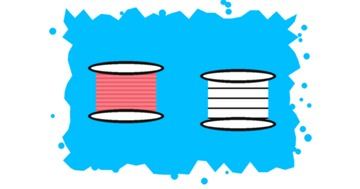
During the cast the spool stays still and line comes off it in coils, rolling over the front lip. Nothing heavy has to be accelerated, so a light lure flies further from a spinning reel than from any other, and the cast needs no braking skill.
That is exactly why the type became universal: it forgives casting mistakes other types do not.
The bail and roller do the reverse job
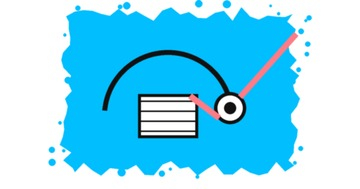
To wind line back you must catch it and lay it on the spool in even coils. That is the bail arm with its line roller: it picks the line up and guides it while the spool moves up and down, laying coil beside coil.
The roller is a small part that matters a great deal: it turns under the line and takes twist out. A seized roller wears braid and screws line into a spiral, and it is not obvious at first.
Where loops come from
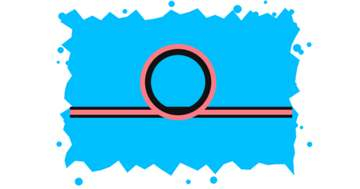
A spinning reel's trouble is the opposite of a baitcaster's backlash. Here line is thrown off the spool several coils at once — usually because it was wound on with too little tension, or the spool is overfilled.
That is almost always a result of filling, not a fault. Line is laid on under tension, and the spool is not filled right to the lip.
Sizes are given as numbers, and the numbers differ
Spinning reel size is conventionally given as a number, but there is no single standard: the same figure means different spools from different makers. Compare by spool capacity and weight, not by the number on the body.
It is the same trap as hook numbering — a familiar figure creates a sense of precision that is not behind it. Hook scales are covered in Hooks.
The drag sits at the front or the rear
The drag adjuster is placed either on the spool itself or at the back of the body. This affects convenience, not principle: at the front the setting is finer, at the rear it is easier to reach while playing a fish.
What the drag does and why it is set from line strength is covered in Fishing reels.
What it works with
A spinning reel goes on a blank with guides underneath — most spinning and feeder rods and some float rods. It works equally with mono and braid, but braided line needs more careful filling: the slippery material throws loops more readily.
Construction is covered in What a spinning reel is.